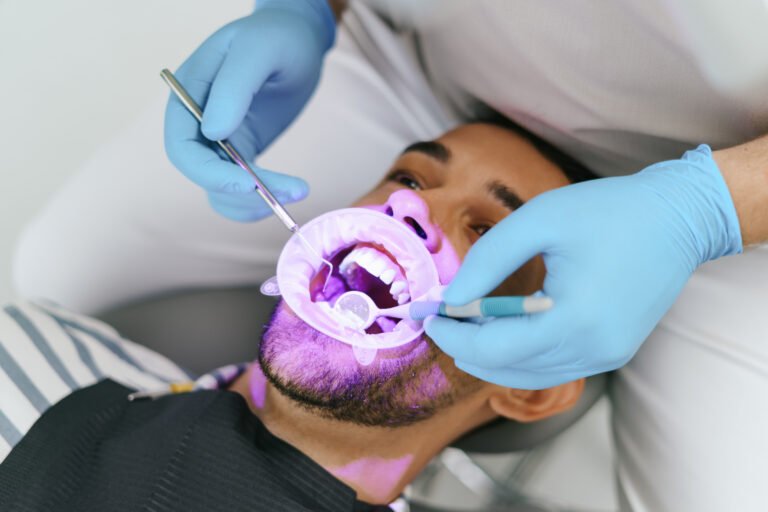

Emergency dentistry is an essential branch of dental care that addresses severe oral health issues that require immediate attention. Dental emergencies can strike at any time, often without warning, leaving individuals in pain and requiring urgent care to save a tooth, stop ongoing tissue bleeding, or alleviate severe pain.
In such situations, knowing what to do can make the difference between saving and losing a tooth, and emergency dentistry becomes the beacon of hope for those in distress.
Such dentistry refers to the immediate care and treatment for acute dental issues that cannot wait for a regular dental appointment. This includes services like repairing broken teeth, treating infections, and addressing severe toothache or injury.
Engaging with emergency dentistry services is crucial because delaying treatment for dental emergencies can lead to increased complications, including infections that can spread to other parts of the body.
Common Dental Emergencies and the Role of Emergency Dentistry
Emergency dentistry is broad, encompassing various dental crises that require immediate attention to alleviate pain, prevent further damage, or save a tooth. Let’s look more closely at some of the most common dental emergencies and why prompt treatment matters:
Must Read: The Role of Antibiotics in Dental Treatments: When Are They Necessary?
Knocked-Out Teeth
When a tooth is completely dislodged, time is of the essence. Emergency dentistry aims to replant (put back) the tooth as soon as possible, ideally within the first hour after the incident. The chance of saving a knocked-out tooth drops as time passes, so handle the tooth carefully and seek emergency dental care right away. If it is dirty, rinse it briefly, avoid touching the root, and try to place an adult tooth back in its socket or store it in milk on the way to the dentist. Do not put a knocked-out baby tooth back in; bring your child to a dentist instead.
Severe Toothaches
Unbearable dental pain can cripple one’s ability to function normally and is often a sign of underlying problems such as deep decay, infection, or trauma to the tooth. Emergency dentistry is equipped to not only relieve the pain but also to diagnose the cause and prevent the issue from escalating into more serious health concerns. Ignoring severe toothaches can lead to the spread of infection and more complicated procedures later on.
Must Read: 10 Expert Tips to Counter Cavities: Prevention, Treatment, and Care
Broken or Chipped Teeth
Trauma to the mouth can result in broken or chipped teeth, ranging from minor cosmetic issues to severe cases where the inner layers of the tooth are exposed. Emergency dentistry services are crucial in assessing the extent of the damage and implementing immediate repairs. There are five steps that dentists take for dental emergencies for cracked or broken teeth. Here, a quick response can prevent infection, alleviate pain, and restore the tooth’s structure and appearance.
Lost Fillings or Crowns
Fillings and dental crowns Calgary to protect and maintain the integrity of damaged teeth. When they fall out, the tooth is not only more vulnerable to further damage but can also be extremely sensitive to pressure, temperature, and bacteria. Emergency dentistry can provide temporary solutions to protect the tooth until a permanent restoration can be performed. This immediate intervention is key to preventing complications such as tooth fractures or nerve damage.
See: Why Teeth Cleanings Matter: Your Calgary Guide to Smile Health
Abscesses
Dental abscesses are pockets of infection at the root of a tooth or in the space between the teeth and gums, and they can become serious. They often cause severe pain and swelling, and sometimes fever. The goal of emergency dentistry in such cases is to drain the abscess, relieve pain, and treat the infection. It is a situation that requires immediate attention because if left untreated, the infection can spread to other parts of the body, leading to serious health issues.
Immediate Actions During a Dental Emergency
When a dental emergency occurs, the steps you take before you can get professional help from emergency dentistry services are critical. Here’s an extended guide on how to manage common dental emergencies:
First, check for signs that need emergency medical care. Call 911 if you or your child has trouble breathing or swallowing. For facial swelling with fever, or a serious injury, go to an emergency department or call Health Link 811 (24/7 advice from a registered nurse). Otherwise, call the clinic at 403-345-1110.
For a Knocked-Out Tooth
Handling a knocked-out tooth with care is paramount. Pick it up by the crown (the chewing surface) and not the root. If it’s dirty, rinse it briefly with milk, saline or cold water, and do not scrub it. If it is an adult tooth, try to reinsert it into the socket. Never put a baby tooth back in. If that’s not possible, the tooth should be kept moist at all times. Place it in a container of milk, saline, or a saliva substitute if available. Avoid wrapping it in a cloth or tissue, as this can dry out the tooth. Getting to an emergency dentistry professional within 30 minutes can increase the chances of saving the tooth significantly.
Must See: Invisalign in Calgary: Achieve a Straighter Smile Discreetly
For a Cracked Tooth
A cracked tooth can vary in severity, but it’s important to act swiftly. Rinse your mouth gently with warm salt water to help keep the area clean. A cold compress applied to the cheek or lips over the broken tooth treatment can help reduce swelling and alleviate pain. If you need pain relief, use over-the-counter medicine only as directed on the package. Ask a pharmacist, doctor or dentist which option is safe for you, especially for children, pregnancy, other medicines or health conditions. Do not place painkillers directly against the gums near the affected tooth, because they can burn the gum tissue. Contact an Emergency Dentistry Service Calgary immediately to assess the extent of the damage and help prevent further damage.
Managing a Severe Toothache
Begin by rinsing the mouth with warm water to clean it out. If swelling is present, apply a cold compress to the outside of your mouth or cheek. Gently use dental floss to remove any food trapped between the teeth that could be causing or exacerbating the pain. Do not apply aspirin directly to the tooth or gums. Contact a dentist as soon as you can, especially if the pain persists, as this could be a sign of more serious issues that need prompt attention.
If a Filling or Crown is Lost
Keep any dislodged fillings or crowns safe, as they might be re-attachable. As a temporary measure before you reach an emergency dentistry professional if a crown falls off, you may be able to place it back over the tooth. Use over-the-counter dental cement, denture adhesive, or even toothpaste if nothing else is available. Do not force it, and never use household glue. If the tooth is painful, ask a pharmacist which over-the-counter pain relief is safe for you and use it only as directed on the package. It’s crucial to follow up with emergency dentistry services quickly to address the loss of a filling or crown and prevent further damage or infection.
Wrapping up
Facing a dental emergency can be less stressful with preparedness and swift action. Immediate self-care is crucial for conditions like a knocked-out or cracked tooth, intense toothache, or when a filling or crown is lost. These first steps can greatly influence your dental health outcome.
Once you’ve taken initial action, promptly contacting an emergency dentistry provider like The Port Dental is essential. A dentist can assess the problem and help avoid further issues.
To conclude, being proactive in dental emergencies is key. Familiarize yourself with basic first aid for dental issues, and reach out quickly to The Port Dental in Calgary for emergency dental care. Keep their contact information close by to schedule an urgent appointment and safeguard your oral health.
Next step: Learn about same-day emergency dental care at The Port Dental Clinic in Calgary NE. We are open 7 days a week and accept new patients. Book online or call 403-345-1110.