Dental implants are intended to be long-lasting tooth replacements. A little screw constitutes a dental implant. This is inserted into the bone beneath the gum line to replace the natural root of a tooth. It is then used to support a false tooth structure positioned above the gum line. If you want a dental implant in Calgary, your dentist will check your suitability depending on your unique situation and explain who will place the implant, here or with a specialist.
Fitting the dental implants
Dental implants are often fitted in two stages. The dentist will first take an x-ray of your mouth to determine the density of the bone that will support the implant. To be qualified for a dental implant, you may occasionally need a bone graft to supplement your natural bone. The jawbone will be lightly incised, and a hole will be drilled into which the metal screw will be inserted.
Also Read: Discover the Best Teeth Cleaning Services Near You for a Brighter, Healthier Smile!
The metal screw is usually allowed to heal for several months so that the implant can merge with the bone. You may be given a temporary artificial tooth to wear during this period. The temporary tooth is swapped out for a permanent crown once your dentist confirms that healing and fusion have taken place. Before getting dental implants, it is important to understand the factors affecting the cost of dental implants.
The materials used in making dental implants
Porcelain
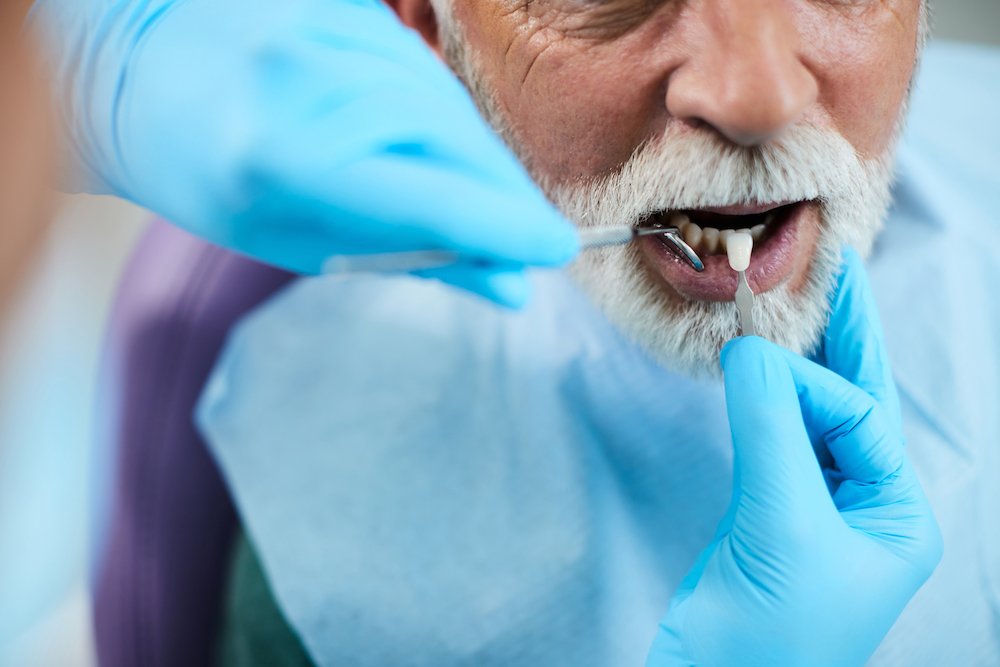
The prosthetic tooth is one of many components that make up a dental implant. This part of the dental implant is typically constructed of porcelain, much like dental crowns, due to the color’s resemblance to real teeth, its natural appearance, and the ease with which it may be used for eating and speaking. Each person has a distinctive grin; therefore, dental implants in Calgary will be created to match the patient’s natural teeth. Since dentists are trained to match the scale, shape, and color closely, it can be hard to tell the difference between a porcelain tooth and a natural tooth.
Titanium
Titanium implants are popular because they are easy to implant into the bone. The findings imply that titanium-metal implants permit proper bone expansion throughout this time. This would result in a long-lasting attachment.
Must Read: Chow Down in Calgary, But Don’t Forget Your Teeth: A Foodie’s Guide to Oral Health
An implant may not be made entirely of titanium. Instead, it may be an alloy of titanium with small amounts of other metals, such as aluminum and vanadium, or zirconium. Since titanium is strong, light and well tolerated by the body, these dental implants can last many years with good care and regular checkups.
Titanium has a high success rate in medical and dental procedures. It was set apart from zirconia due to its adaptability. The first metal substitute for bone and plate implant types was titanium. Long-lasting porcelain caps on titanium dental implants can complete a smile for many years.
Benefits of titanium implants
Strong and durable
Dental implants support your jaw’s bite force. They must therefore be strong and resilient to endure the strain of frequent biting and chewing. Titanium alloy has a very high strength-to-weight ratio, with strength comparable to some steels.
Also Read: – The Truth About Root Canals: What to Expect in Calgary
Titanium implant fracture is uncommon because of the material’s tensile strength or resistance to deformation under pressure. Titanium is a strong option if you want a dental implant material that can last many years, and your dentist can explain which material suits you.
Biocompatible
Biocompatibility describes a material’s capacity to dwell in the body without triggering an allergic reaction or an unfavorable immune response. Titanium is one of the most widely used biocompatible materials in the human body.
Titanium implants can tightly integrate into the bone, usually without problems, when they come into touch with the jaw and are not disturbed. The implants give your new teeth a strong and sturdy base as they bond closely with your jaw.
Also Read:- Your Smile & Your Health: The Connection You Might Not Know About
Lightweight
Dental implants are surgically inserted into your jaw as a long-term replacement for missing teeth. You wouldn’t want chunks of heavy metal restricting your mouth for years, especially considering how long you’ll have to wear them. Although titanium alloy is about 45% lighter than steel, it has a strength comparable to steel.
Zirconium
There is little margin for error because the post and the abutment are manufactured of zirconium in one piece. Because the implant cannot be hidden behind the gum tissue and any movement could prevent Osseointegration, healing can be more difficult. Bone volume is crucial, and the implant needs to be surgically positioned in the proper spot at the right angle.
Read More: Seven Benefits Of Having A Family Dentist
It is frequently possible to insert a titanium implant and a bone graft simultaneously if the bone volume is less than ideal, an operation that would be riskier with a zirconium implant. Zirconium implants—especially those with smaller diameters—might not be the best option for individuals with heavy function because of their propensity to fracture.
Benefits of zirconia dental implants
Better oral health
Zirconia’s smooth ceramic surface may give plaque and germs fewer places to attach. Some research suggests microorganisms may stick to zirconia less readily. Even so, good daily cleaning and regular checkups matter most for keeping any implant healthy.
Aesthetics
Zirconia dental implants are white, so once they are in place, they are less likely to show through thin gum tissue. If your implants are in your smile zone, zirconia is less likely to cause a grey tint on your gums.
Must See: Your Smile & Your Health: The Connection You Might Not Know About
Hypo-allergenic
Zirconia is generally considered hypoallergenic, so it may be an option for people with a confirmed metal allergy. Tell your dentist and doctor about any allergies before treatment.
Ceramics
All-ceramic implants are less popular and can provide a great aesthetic outcome without changing color. Unfortunately, ceramics must be installed extremely carefully and are only advised for specific patients.
Conclusion
In conclusion, zirconia and titanium are both widely used dental implant materials. You and your dentist should decide which option suits your smile and general health.
Must See: How to Feel Confident and Comfortable with Your Dentures?
Zirconia may suit some people with a metal allergy, or those who are worried about the appearance of titanium below the gum line.
Patients looking for a dependable, long-lasting choice and on a tighter budget may benefit more from titanium dental implants.
Ask your dentist whether an implant suits you before treatment starts. After implant surgery, follow your aftercare instructions, and call your dentist if pain or bleeding gets worse instead of better, or if an implant feels loose.
Next step: Learn about dental implants at The Port Dental Clinic in Calgary NE. We are open 7 days a week and accept new patients. Book online or call 403-345-1110.