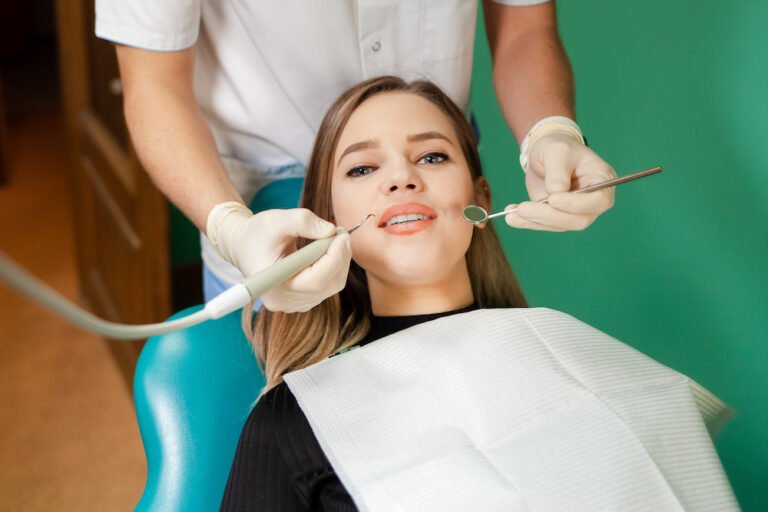
Orthodontic treatment is a type of dental care that involves the use of braces, retainers, and other appliances to correct misaligned teeth and jaws. These treatments are designed to improve the appearance of the teeth and bite and may help lower the risk of problems such as tooth decay, gum disease, and jaw pain.
Orthodontic treatment is often recommended for children and teenagers but can also benefit adults. The most common type of orthodontic treatment is traditional metal braces, but clear, invisible, and removable options are also available.
For instance, if you are done with the orthodontic treatment in Calgary, there will still be much work.
Let’s explore this further.
Use of retainer
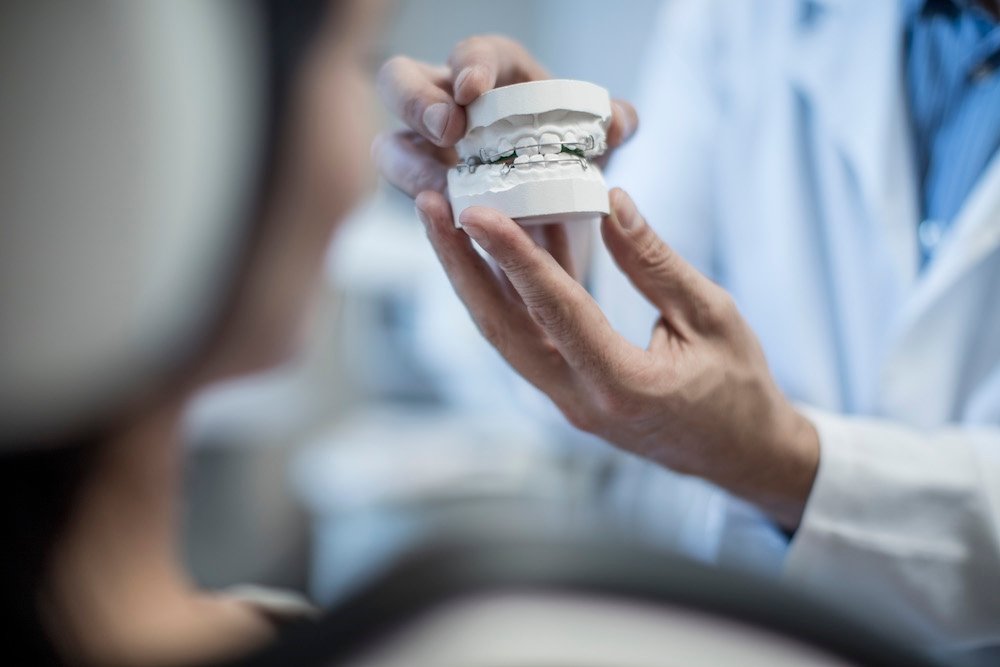
Once your braces are removed, your dentist or orthodontist will give you a retainer. This is an essential piece of orthodontic aftercare that helps maintain the new position of your teeth. You may be given a fixed retainer, bonded, or removable retainer. Your dentist or orthodontist will advise you on how long you should wear the retainer and when it’s okay to stop wearing it.
Retainers are appliances worn after orthodontic treatment to help keep the teeth in their new, corrected positions. They are typically made of plastic or metal and are custom-made to fit the patient’s mouth.
Using a retainer is important as teeth tend to shift back to their original position over time, especially after the removal of braces.
Also Read: Teeth Cleaning Services Near You for a Brighter, Healthier Smile
Here are some tips on how to properly wear retainers after orthodontic treatment:
- Wear the retainer as directed: Your dentist or orthodontist will give you specific instructions on how often to wear your retainer and for how long. It is important to follow these instructions to help your teeth stay in their corrected positions.
- Tell us if it feels sore: If you have just had your braces removed, your mouth may be sore. Let your dentist or orthodontist know, but keep wearing the retainer as directed, since teeth can start to shift soon after braces come off.
- Clean the retainer regularly: Retainers should be cleaned at least once daily in the way your dentist or orthodontist recommends. It’s important to keep them clean to limit bacteria and plaque buildup.
- Keep the retainer in a safe place: Retainers should be kept in a case when not in use to prevent them from getting lost or damaged.
- Be mindful of what you eat and drink: Certain foods and drinks can stain or damage retainers, so take a removable retainer out to eat unless you are told otherwise.
Flossing
It’s important to remember to brush at least twice a day and floss at least once a day, even after your braces have been removed. Daily oral hygiene helps lower the risk of plaque buildup and tooth decay and keeps your teeth looking great. Flossing with braces can be difficult, so it’s important to floss regularly once the braces are off habitually.
There are some do’s and don’ts while wearing braces, and a must-do is to floss. Flossing with braces requires more effort and patience than flossing without braces, but it can be done with a floss threader. First, use a floss threader, a plastic tool to help thread the floss under your braces. Once the floss is through the wire, rub it up and down against the sides of each tooth, making sure to go under the gumline. Flossing is important at least once a day, and your dentist may suggest flossing more often while you wear braces.
Must Read: Chow Down in Calgary, But Don’t Forget Your Teeth: A Foodie’s Guide to Oral Health
After the orthodontic treatment, it is also important to keep flossing to keep your teeth and gums healthy. Cleaning between the teeth and along the gums helps lower the risk of plaque build-up and tooth decay. Flossing may also help lower the risk of gum disease, which can cause periodontal pockets (gaps that form between the gums and teeth).
Using a water flosser or interdental brush after orthodontic treatment in Calgary is also a good idea, as they can help clean hard-to-reach areas. Ask your dentist which tools suit you. Additionally, it’s important to maintain regular dental check-ups and cleanings to help your teeth and gums stay healthy throughout the orthodontic treatment and after.
Ask about dental crowns if a tooth needs repair
Some people consider dental crowns or veneers after orthodontic treatment to repair worn or damaged teeth, or to change their shape or colour. These do not hold teeth in place; your retainer does that. Your dentist can tell you whether either option makes sense for you.
Dental crowns are a common restorative dentistry used to repair and strengthen damaged or decayed teeth.
Also Read: The Truth About Root Canals: What to Expect in Calgary
After orthodontic treatment, dental crowns in Calgary can repair and protect teeth that are worn, cracked or heavily filled.
There are a few different ways that dental crowns can be used after orthodontic treatment:
- To protect teeth that are worn or damaged: Some teeth may have wear, cracks or large fillings. Dental crowns can be used to protect these teeth and lower the risk of further damage.
- To improve the appearance of teeth: After orthodontic treatment, some people may still be unhappy with the appearance of their teeth. Dental crowns can change the color and shape of a tooth, which may improve its appearance.
- To restore function and bite: If a damaged tooth does not meet the others well, dental crowns Calgary can be used in some cases to help restore its shape and function.
- To replace a missing tooth: If a tooth is missing, a crown on an implant, or a bridge, may fill the space once the teeth are aligned. Keeping teeth in their new position is the retainer’s job.
Also Read:- Your Smile & Your Health: The Connection You Might Not Know About
Dental crowns are not always necessary after orthodontic treatment. But it depends on the individual’s needs and the condition of the teeth. A dentist or orthodontist could evaluate your teeth and recommend a suitable course of action.
Wrapping up
Booking a dental treatment at The Port Dental Clinic in Calgary for Orthodontic treatments is a good first step if you want to talk about the look of your smile or care after treatment.
Our dentists can check your teeth and retainer, explain your options, and refer you to an orthodontist when needed. Call your dentist if your retainer cracks or no longer fits, or if your teeth feel like they are moving. Book online or call 403-345-1110.