Teeth grinding and jaw clenching, also known as bruxism, is a common condition that affects people of all ages. For some people, orthodontic treatment may be one part of managing this condition, especially when a bite problem is involved.
Let’s get the basics right.
What is Teeth Grinding and Jaw Clenching?
Teeth grinding and jaw clenching are conditions where a person grinds, gnashes, or clenches their teeth. It can occur both consciously during the day and unconsciously at night, with the latter often being the more damaging.
Causes of Teeth Grinding and Jaw Clenching
The exact cause of bruxism is not fully understood, but it’s often linked to stress, anxiety, abnormal bite, missing or crooked teeth, and sleep disorders like sleep apnea.
While the specific causes of bruxism are not entirely clear, several contributing factors are believed to play a role:
Stress and Anxiety
High stress or anxiety levels can lead to physical symptoms, including teeth grinding and jaw clenching. This can occur both during the day and at night. People may unconsciously clench their teeth to respond to stress, tension, anger, or concentration.
Must See: Discover the Best Teeth Cleaning Services Near You for a Brighter, Healthier Smile!
Abnormal Bite
An abnormal bite, where the upper and lower teeth do not fit together properly, has been linked to bruxism, though research suggests it plays a smaller role than once thought. This misalignment can cause discomfort, and your dentist can check your bite at a regular exam.
Missing or Crooked Teeth
Like an abnormal bite, missing or crooked teeth can disrupt the jaw’s alignment. This can create uncomfortable pressure points, which may contribute to teeth grinding or clenching.
Sleep Disorders
Certain sleep disorders, such as sleep apnea, are associated with bruxism. Sleep apnea is a disorder where breathing stops and starts during sleep. The grinding or clenching may be linked to the disruptions in breathing. If you snore loudly or someone notices you stop breathing in your sleep, talk to your doctor.
Read More: Soft Foods You Can Eat After Removal Of Your Wisdom Teeth
Alcohol and Caffeine
Consumption of alcohol, caffeinated beverages, or certain medications can increase the likelihood of bruxism. These substances can disrupt normal sleep patterns, which may make bruxism more likely. If you think a medicine may play a part, do not stop or change it on your own; talk to the doctor who prescribed it.
How Can Orthodontic Treatments Help Bruxism and TMJ Patients?
Orthodontic treatments offer a variety of benefits that go beyond enhancing one’s appearance. They may help some people with bruxism, characterized by involuntary teeth grinding and jaw clenching, when a bite problem is involved, though they are not a cure.
Correcting Misaligned Teeth
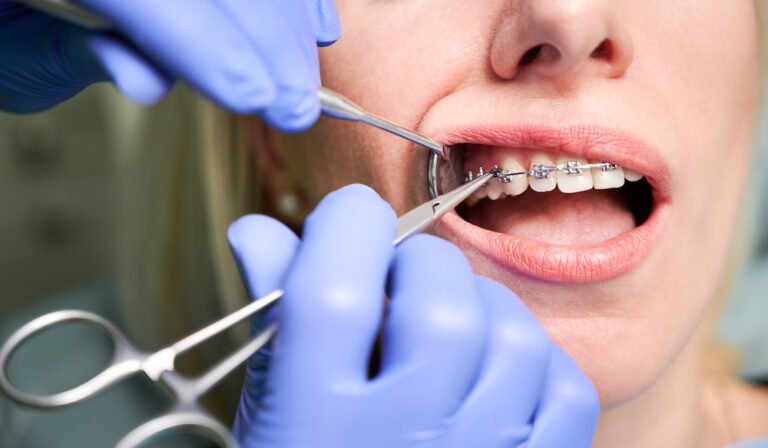
Orthodontic treatments correct misaligned teeth, which some people link to bruxism. Practitioners can straighten and reposition misaligned teeth using orthodontic tools such as braces, aligners, and retainers. This correction improves alignment and may help some people with grinding.
Also Read:- Your Smile & Your Health: The Connection You Might Not Know About
Relieving Pressure on the Temporomandibular Joint
The temporomandibular joint (TMJ) is a vital component that connects your jaw to the temporal bones of your skull. Misalignment in the teeth and jaw may add pressure on this joint and cause discomfort. For some people, orthodontic treatments in Calgary may help ease these symptoms.
Reducing Pain and Discomfort
Bruxism can cause headaches, facial pain, and earaches. The consistent grinding can lead to enamel wear, exposing the inner layers of teeth and causing sensitivity. Orthodontic treatments in Calgary may help ease pain and discomfort for some people when a misaligned bite is part of the problem.
Helping Limit Further Dental Damage
Unchecked bruxism can lead to severe dental damage. Orthodontic treatments may help limit further damage when a bite problem is part of the cause of teeth grinding and jaw clenching. A custom night guard is commonly used to protect the teeth from grinding.
Helps Improve Sleep Quality
Bruxism is linked with poor sleep and with sleep disorders such as insomnia and sleep apnea. If grinding eases, some people find they sleep better. Sleep apnea needs an assessment by your doctor.
Also Read: – The Truth About Root Canals: What to Expect in Calgary
Bottomline
Visit The Port Dental for Orthodontic treatment in Calgary
In conclusion, orthodontic treatments may be one option for managing teeth grinding and jaw clenching when a bite problem is involved. For some people, these treatments may help reduce pain, limit further dental damage, and improve sleep quality. If you or a loved one is struggling with bruxism, talk to your dentist, who can refer you to an orthodontist (a specialist in tooth and jaw alignment) if needed.
Waking up with a sore jaw or headaches can make it hard to enjoy a peaceful night’s sleep.
At Port Dental, our dentists help people with teeth grinding and jaw clenching and offer orthodontic care in Calgary, with referral to a specialist when needed.
Our dental team understands that these issues can affect your daily life. We offer personalized treatment plans, such as custom night guards, to help ease discomfort.
Must Read: Chow Down in Calgary, But Don’t Forget Your Teeth: A Foodie’s Guide to Oral Health
Take the first step towards getting relief from TMJ and bruxism by scheduling a consultation with Port Dental today.
Call now to schedule an appointment: +1.403.345.1110
OR
Click here to book an appointment online
FAQs for orthodontic treatments
Can orthodontic treatments cure bruxism?
No. Orthodontic treatments may help some people when a bite problem is involved, but they do not cure bruxism, especially when it is linked to stress, anxiety or sleep problems.
Are orthodontic treatments painful?
While there may be some discomfort when you first start using an orthodontic appliance, this usually subsides as you get used to the device.
How long do I need to undergo orthodontic treatment?
The duration of orthodontic treatment varies depending on the severity of the misalignment and the type of treatment used.
Can adults benefit from orthodontic treatments?
Yes, adults can benefit from orthodontic treatments. In many cases, misaligned teeth can be corrected at any age, and your dentist will first check that your teeth and gums are healthy enough.
Are there any side effects of orthodontic treatments?
While orthodontic treatments are generally safe, they can cause temporary discomforts, such as sore teeth and gums and difficulty speaking and eating. Ask your dentist about the risks for your situation.
See a dentist if you notice worn or chipped teeth, jaw pain or clicking, morning headaches, or trouble opening your mouth.
Next step: Learn about night guards and TMJ care at The Port Dental Clinic in Calgary NE. We are open 7 days a week and accept new patients. Book online or call 403-345-1110.