
Tooth Extraction
Do you have dental discomfort? It might become necessary to extract a tooth in Calgary to alleviate the pain. Having a tooth pulled can feel worrying, even though dentists use local anesthetic and careful techniques. Still, it may be necessary for some reasons, including a broken or diseased tooth, impacted wisdom teeth, or the need to space out crowded teeth. In some cases, it may be the right choice for your long-term oral health. Dentists work to make tooth extraction as easy and comfortable as possible.
After having your teeth extracted, how you take care of the area is important for a comfortable recovery. To support healing and lower the risk of problems, follow the aftercare recommendations from your dentist. Receive tooth extraction treatment in tooth extraction clinic in Calgary.
Defining tooth extraction
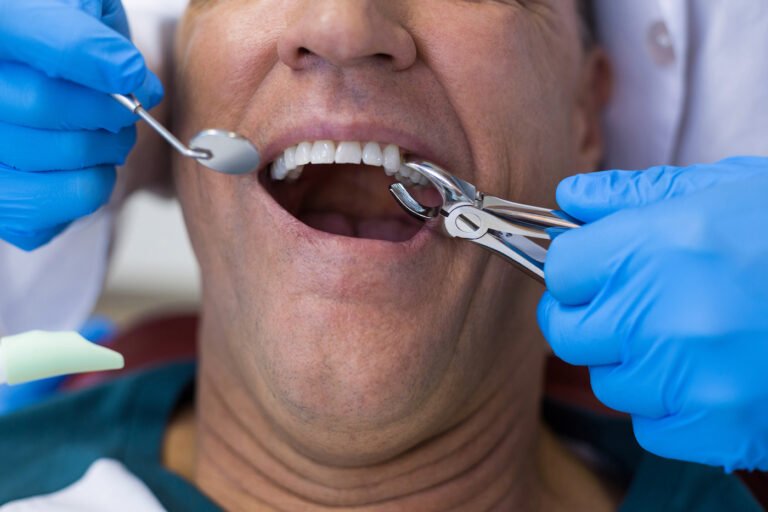
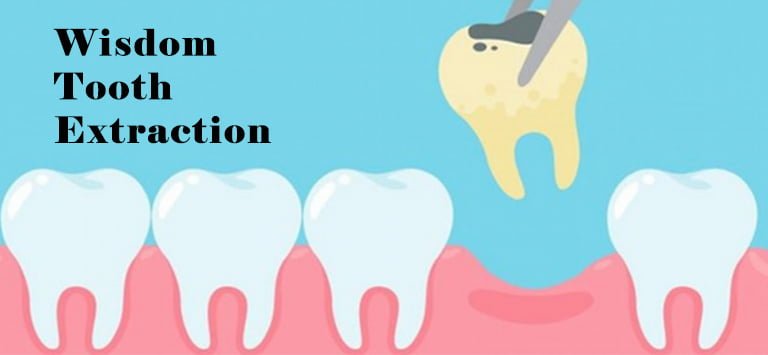
A single tooth or many teeth are removed from their tooth sockets during a tooth extraction surgery. The dentist will decide whether a surgical or nonsurgical extraction is necessary. You could be sent to an oral surgeon or maxillofacial surgeon for complicated extractions.
Why is a tooth extraction necessary?
There are several adult-specific reasons why tooth extraction may be required. Although removing your wisdom teeth is usual, removing a tooth to address another issue is typically considered the last step in the treatment process, so we must ponder how we may save the tooth first.
If we determine after diagnosis that the issue is gum-related, a periodontist will be able to treat you. Similar to how your conventional dentist may repair structural issues like tooth decay with fillings, an endodontist (a specialist in root canal treatment) can assist if the damage is more extensive.
Read More: The Benefits of Orthodontic Treatment in Calgary: Beyond Straight Teeth
Dentists usually look at other options before pulling a tooth. Extraction is often a last option, partly because the bone under a missing tooth can shrink over time. Some bone is usually lost in the months after a tooth extraction in Calgary, and this can continue, potentially leading to structural issues that may require further treatment. Your dentist can talk with you about ways to replace the tooth.
Aside from wisdom tooth problems, tooth extraction Calgary NE is usually performed when decay, periodontal disease, or dental trauma has damaged the tooth so badly that it cannot be repaired.
What to expect during the treatment?
When a wisdom tooth needs to be removed, the area is numbed with a local anesthetic, and sedation or sometimes a general anesthetic may also be used. It depends on how challenging the extraction is and what you and your dentist decide together.
Must See: A Parent’s Guide to Children’s Dental Care: Establishing Healthy Habits Early
If you need general anesthesia, you won’t be permitted to eat or drink for a time beforehand. Follow the exact instructions you are given, and ask before taking your usual medicines that day.
You must bring your relative with you if you are sedated since you won’t be able to drive or travel alone, and they can also take you home. Following the procedure, you should have someone with you for 24 hours, or as long as your dentist advises.
If you undergo local anesthesia, you will be awake and able to move about immediately after the extraction. The numbness will subside after a few hours, and you will be given a sterile pack to bite on and some instructions you may take home. The recovery is often fairly swift, and many people return to work within a day or two, depending on the extraction.
Is tooth extraction painful?
This depends on the reason for the extraction. A local anesthetic numbs the area, so most people feel pressure rather than sharp pain during the procedure. Some soreness afterward is common.
Check Now: What Are the Common Types of Dental Bridges?
After treatment, some soreness for a few days is common. If you use over-the-counter pain relief, use it only as directed on the package. Ask a pharmacist, doctor or dentist which option is safe for you, especially for children, pregnancy, other medicines or health conditions. Infection of the extraction site is uncommon. Call your dentist if pain gets worse after a few days, or if you notice swelling, a bad taste or a fever.
We have outlined important Do’s and Don’ts following Tooth Extraction to help you get ready. These tips, along with your dentist’s own instructions, can help you heal comfortably.
Do’s
Take rest
You don’t need to stay in bed following a tooth extraction Calgary NE, but you do not want to overexert the region, especially in the first 24 hours. In light of this, attempt to steer clear of any unnecessary bending or to stoop, and most definitely steer clear of exercise.
Read More: Understanding Different Types Of Root Canal Treatments
Have enough water
Drink plenty of water to stay hydrated once the blood clot forms, which usually takes an hour. Hydration is essential for any healing process. Avoid using a straw and swishing the liquid around your mouth excessively since either motion will upset the freshly formed blood clot.
Let the site clot
You will often be instructed to bite down on a piece of gauze for 30min to 1 hour following the extraction of a tooth. This helps the area where the tooth was extracted to clot. This is typical and necessary for the recovery process. It is necessary to permit the clot to develop because it serves as a barrier shielding the spot.
Don’ts
Do not smoke
If you smoke, avoid smoking for at least 48 hours, or as long as your dentist advises. The compounds in cigarette smoke can impact the clot and raise the possibility of a dry socket following tooth extraction.
Read More: What are the Different Types of Professional Teeth Whitening Treatments?
Do not have alcohol and carbonated drinks
Additionally, avoid carbonated drinks and alcohol for the first few days after the extraction, or as long as your dentist advises. These may disturb the blood clot that is forming.
Stop intake of certain foods
Avoid chewy, crunchy, or spicy meals for at least the first 24 hours, and steer clear of anything containing grains or seeds. They may irritate the extraction site, which is the cause. Choose softer meals, such as soup, scrambled eggs, mashed potatoes, fish, and yogurts, but try to avoid extremes of temperature, such as anything too hot or cold.
Do not poke the site
It may seem unusual to have a tooth out, but you should not poke it with your tongue, finger, tissue, or toothpick. Any blood clot that has developed may be disturbed, which can lead to more bleeding or a dry socket (when the clot comes loose and the bone is exposed).
Read More: Common Orthodontic Problems, and How to Treat Them?
Conclusion
After tooth extraction, some discomfort is common. If it gets worse or lasts beyond two or three days, call your dentist. To make the Dental treatment as comfortable as possible, dentists apply a local anesthetic to reduce discomfort. If you plan to replace the tooth later, you can read about how to get a smile makeover.
Call 911 if you have trouble breathing or swallowing. If you have facial swelling with a fever, go to an emergency department or call Health Link 811 (24/7 advice from a registered nurse). For other concerns after an extraction, call the clinic at 403-345-1110 or book online.