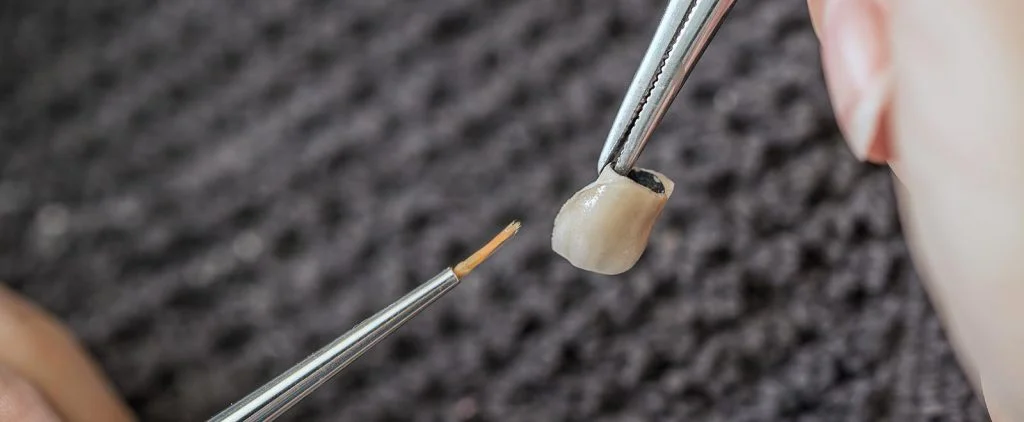
Think of a dental crown as a helmet for your tooth. It completely covers a damaged or weakened tooth, protecting it from further damage while restoring its natural look and function.
When you might need a crown:
Your tooth is cracked or broken
You have a large cavity that’s too big for a filling
You’ve had a root canal (the tooth needs reinforcement)
Your tooth is severely worn down or weakened
You want to improve the appearance of a discolored or misshapen tooth
What it does:
Protects the tooth from breaking further
Restores your ability to chew normally
Looks and feels like your natural tooth
Lasts 10-15 years with proper care
The alternative? Without a crown, a damaged tooth will continue to weaken, eventually leading to infection, severe pain, or tooth loss. A crown stops the damage and saves your tooth.
Saves Your Natural Tooth: Instead of extracting a damaged tooth, a crown preserves it. Keeping your natural tooth is always better for your oral health and jawbone.
Restores Full Function: Chew, bite, and speak normally again. Crowns are strong enough to handle the pressure of everyday eating.
Looks Completely Natural: We custom-make your crown to match the color, shape, and size of your surrounding teeth. No one will know it’s not your real tooth.
Long-Lasting Protection: With good care, dental crowns last 10-15 years (sometimes 20+). It’s a durable, permanent solution.
Prevents Further Damage: A cracked tooth will only get worse over time. A crown stops the crack from spreading and protects the tooth from infection.
Boosts Your Confidence: If you’ve been hiding a damaged or discolored tooth, a crown gives you back a smile you’re proud to show.

Not all crowns are created equal. We’ll recommend the best material based on which tooth needs the crown, your budget, and your aesthetic preferences.
Best for: Front teeth or anyone who wants the most natural look
Pros:
Most natural-looking option (matches your tooth color perfectly)
No metal, so no dark lines at the gum line
Biocompatible (great for people with metal allergies)
Cons:
Slightly less durable than metal crowns (not ideal for heavy chewing on back molars)
Best for: Back teeth that need strength but still want a natural appearance
Pros:
Strong metal base with a porcelain outer layer
Good balance of durability and aesthetics
More affordable than all-porcelain
Cons:
Metal can sometimes show as a dark line at the gum line over time
Porcelain layer can chip
Best for: Back molars where strength matters more than appearance
Pros:
Extremely durable (lasts the longest)
Requires less tooth removal
Gentle on opposing teeth
Cons:
Obvious gold/silver color (not natural-looking)
Not suitable for front teeth
Best for: Anyone who wants their crown in a single visit
Pros:
Get your permanent crown in one appointment (no waiting, no temporary crown)
High-quality ceramic material
Computer-designed for precision fit
Cons:
Limited to certain cases
Slightly higher cost for convenience
Not sure which is right for you? We’ll walk you through the options based on your specific tooth, budget, and priorities.
Dental crowns are durable, but they’re not indestructible. Here’s how to protect your investment:
Daily care:
Brush twice a day with fluoride toothpaste
Floss daily (especially around the crown margins)
Use an antibacterial mouthwash to prevent gum disease
What to avoid:
Chewing ice, hard candy, or using your teeth to open packages
Grinding your teeth (ask us about a night guard if you grind)
Sticky foods that can pull on the crown (caramels, taffy)
Regular checkups:
Visit us every 6 months for cleanings and exams
We’ll check your crown for any signs of wear, looseness, or decay around the edges
Signs your crown needs attention:
Sensitivity to hot or cold
Pain when biting down
Crown feels loose or wiggles
Visible crack or chip
Bottom line: Treat your crown like your natural teeth, and it’ll protect your tooth for 10-15 years or longer.
Quick Comparison:
Option | Best For | Pros | Cons |
|---|---|---|---|
Dental Crown | Severely damaged, cracked, or root canal teeth | Covers entire tooth, strongest protection, lasts 10-15 years | Requires tooth reshaping, higher cost |
Filling | Small to medium cavities | Less invasive, lower cost, preserves more tooth structure | Not strong enough for large damage or cracks |
Veneer | Cosmetic fixes (discoloration, minor chips) | Improves appearance, less tooth removal than crown | Only covers front surface, not for damaged teeth |
Onlay/Inlay | Moderate damage (between filling and crown) | Preserves more tooth than crown, strong | More expensive than filling, not for severe damage |
When you need a crown:
Tooth is cracked or broken
Large cavity (more than 50% of tooth)
After a root canal
Severe wear or grinding damage
When a filling might work:
Small to medium cavity
Tooth structure is still mostly intact
Not sure? We’ll examine your tooth and recommend the best option for your situation.
No. We may numb the area completely, so you won’t feel pain during the procedure. You might have minor sensitivity for a few days after, but most patients experience little discomfort.
10-15 years on average with good care. Some patients get 20+ years out of their crowns with excellent oral hygiene and regular dental visits.
Absolutely. We custom-make your crown to match the exact color, shape, and size of your surrounding teeth. It blends in seamlessly.
Yes! Once the crown is cemented, you can eat almost anything. Just avoid extremely hard foods (ice, hard candy) that could crack it.
Call us immediately. Keep the crown safe and avoid chewing on that side. We can usually re-cement it the same day.
Usually, yes. Root canal treatment removes the tooth’s blood supply, making it brittle. A crown protects it from breaking.
The crown itself can’t decay, but the tooth underneath can if plaque builds up at the gum line. That’s why daily brushing and flossing are crucial.
They’re the same thing. “Cap” is just an older, informal term for a dental crown.
A damaged tooth won’t heal on its own. The longer you wait, the worse it gets—and the more expensive treatment becomes. A dental crown stops the damage now and saves your tooth for years to come.