Dentures
Seniors need regular dental checkups for life, plus extra attention to problems that become more common with age. The main ones are dry mouth from medications, gum disease, decay on exposed tooth roots and dentures that no longer fit. A dentist for seniors in Calgary checks for each of these and sets a visit schedule that suits your mouth. Help with costs is available too. Many seniors without private dental insurance qualify for the Canadian Dental Care Plan (CDCP), and some lower-income Albertans 65 and over qualify for the provincial Dental Assistance for Seniors program.
At The Port Dental Clinic in NE Calgary, our general dentists care for every generation of the family, from toddlers to grandparents. Read about our senior dental care or keep reading for what to expect.
What changes in your mouth as you get older?
The Canadian Dental Association puts it simply: you are never too old to have healthy teeth and gums. Still, the mouth changes with age. These are the issues we watch most closely in older adults:
- Dry mouth. Saliva rinses away food and acid. Dry mouth is very common among older adults, medications are its most common cause, and it raises the risk of cavities and mouth infections.
- Gum disease. Gingivitis is early gum inflammation that makes gums red and prone to bleeding. Periodontitis is a deeper infection that damages the bone holding your teeth. Gum disease affects the majority of Canadian adults.
- Root decay. Gums can pull back with age and expose the tooth root, which lacks the hard enamel that covers the visible part of the tooth. In adults, cavities tend to form around existing fillings or on exposed roots.
- Denture problems. Gums and bone change shape over time, so a denture that once fit well can start to rub or slip.
How do medications affect your teeth and gums?
Many older adults take several medicines each day. The CDA notes that some medications cause dry mouth, or gum overgrowth, which means extra gum tissue grows over the teeth. Medicines that thin the blood or strengthen bones can also affect treatments such as extractions or implants. Bring your full medication list to each checkup, including vitamins and over-the-counter products. Never stop a prescribed medicine because of a mouth side effect. Ask your doctor or pharmacist instead.
How often should seniors see a dentist?
The CDA says how often you go for dental exams depends on your oral health needs. For many people this means an exam every six months, though your dentist may suggest more or fewer visits. At each checkup, the dentist looks for gum disease, decay, broken teeth or fillings, signs of infection or oral cancer, and problems with dentures, bridges or implants. People with full dentures still need a dental visit at least once a year.
Good daily care supports your general health too. The Government of Canada notes that good oral hygiene can help prevent lung infections such as pneumonia, especially for seniors who have trouble swallowing. For habits at home, see our dental tips for seniors.
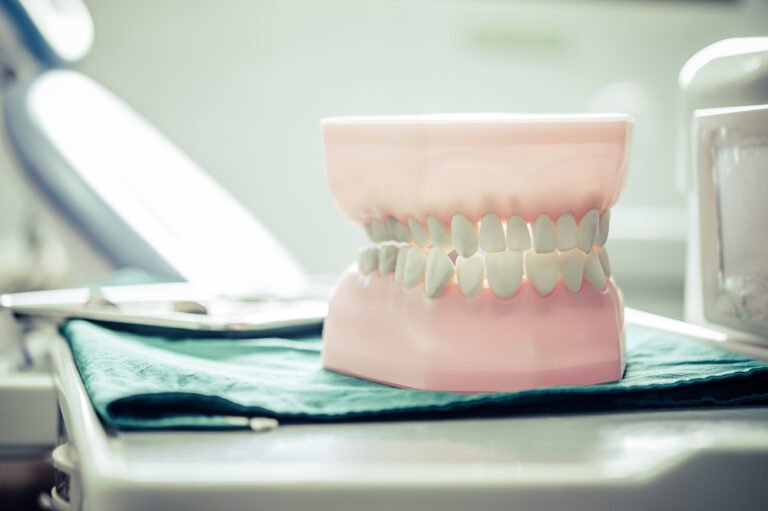
Dentures: fit, comfort and daily care
Your mouth keeps changing after teeth are lost, so the CDA says false teeth will need to be adjusted from time to time. The Government of Canada adds that redness or swelling of the gums is common among older adults whose dentures no longer fit well. Sore spots, slipping, clicking and trouble chewing are all signs to get a denture checked.
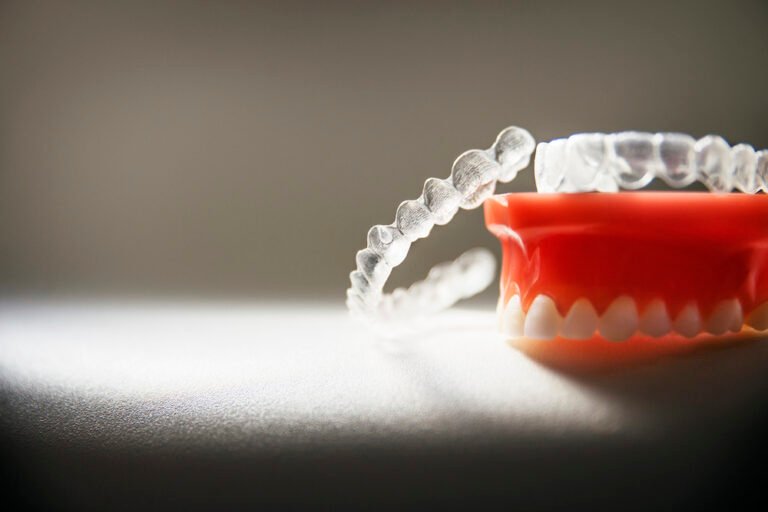
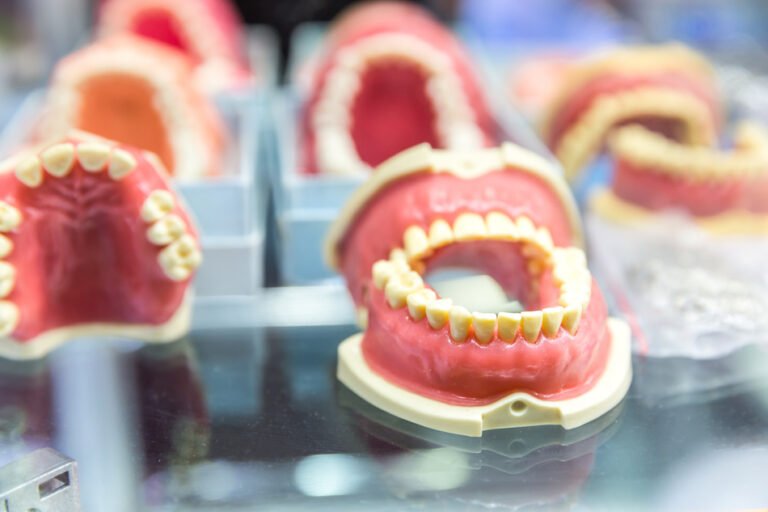
Clean dentures every day with a soft brush and a denture cleaner or mild soap, since regular toothpaste is too abrasive. Take them out overnight and keep them in water. Our article on caring for your dentures has more tips, and our denture services page explains denture types, fittings and relines. If you are missing teeth, a partial denture, a bridge or implants may also suit you. Whether implants are an option depends on your general health, gums and jawbone.
Does the CDCP cover dental care for seniors?
The Canadian Dental Care Plan helps people who do not have dental insurance. You must meet all 4 requirements: no access to private dental insurance, an adjusted family net income under $90,000, a filed tax return and Canadian residency for tax purposes.
The plan covers a wide range of services, including exams, cleanings, fillings, root canals, gum treatment, extractions and complete dentures. Some services, such as crowns and partial dentures, need preauthorization (approval from the plan before treatment). The CDCP Dental Benefits Guide lists implants and bridges as exclusions.
You can apply online or by phone at 1-833-537-4342. Members must renew their coverage every year, and each benefit period ends on June 30. You may have a co-payment, depending on family income. Our insurance and CDCP page explains how billing works at our clinic.
What is Alberta’s Dental Assistance for Seniors program?
Alberta runs its own Dental Assistance for Seniors program for seniors 65 and over who are approved for Seniors Financial Assistance and have an income within the program limits. It provides up to $5,000 of coverage every 5 years for basic services, such as exams, cleanings, fillings, extractions, root canals, gum treatment and basic dentures. It does not cover crowns, bridges or implants, and Alberta notes it does not pay the full fees charged by dental providers.
You can use both programs together. For services covered by both plans, claims must be submitted to the CDCP first, which can lower your co-payment. Tell us about both plans when you book, and we can check your coverage.
Bringing a family member and speaking your language
If you would like an adult child or caregiver with you, let us know when you book. A family member can help share your health history, take notes and remember home-care steps. Bring your medication list, insurance or CDCP details, your dentures, and your glasses or hearing aids. If you use a walker, cane or wheelchair, tell us when you book. The CDA suggests sharing accessibility needs with your dental team.
Our dentists speak several languages. Dr. Balbir Sandhu speaks English, Punjabi, Hindi and Urdu. Dr. Bima Shrestha speaks English, Nepali, Hindi and Urdu. Dr. Sanket Patel speaks English, Hindi and Gujarati. We are open weekdays from 9am to 7pm and weekends from 9am to 4pm, so working family members can come along.
When to see a dentist
Book a visit if you notice any of these signs:
- Gums that bleed, look red or swollen, or pull away from the teeth
- A loose tooth, or a tooth that is newly sensitive
- A mouth that feels dry or sticky most of the day
- A sore, lump or patch in the mouth that does not heal
- Dentures that slip, click, rub or crack
- Toothache or pain when chewing
We offer same-day emergency appointments when possible. Outside our hours, call Health Link 811 for 24/7 advice on your symptoms and care options. Call 911 for trouble breathing or swallowing. Go to the nearest emergency department for facial swelling, fever or a facial injury.
Questions about dental care for seniors
Do seniors with full dentures still need dental checkups?
Yes. The Canadian Dental Association advises denture wearers to see a dentist at least once a year. The dentist checks the fit of your dentures, the health of your gums and signs of oral cancer.
Does the CDCP cover dentures for seniors?
Yes. The CDCP covers complete dentures, plus denture repairs, relines and rebases, within set limits. Partial dentures need preauthorization. Implants and bridges are not covered.
Can I use the CDCP and the Alberta seniors dental program together?
Yes. Alberta says the two programs can be combined. For services covered by both, claims go to the CDCP first, which can reduce your co-payment.
How can a family member help at my dental visit?
A family member or caregiver can help share your health history, language needs and home-care instructions. Let us know when you book if someone will come with you.
To book a checkup or a denture review, visit our senior dental care page, book online or call 403-345-1110. We are at 4250 109 Ave NE #3145 in The Port Plaza, with plenty of parking. We offer direct billing to most insurance plans and are a registered CDCP provider.