The cost of purchasing new dentures is substantial. To ensure that your investment in new dentures lasts a long time, it’s necessary to take appropriate care of them. However, care of your dentures is not quite the same as caring for your real teeth. Your dentures might distort and dry out if you don’t properly care for them. Poor cleaning can also leave cleanser residue on your dentures or let bacteria and germs build up, which can irritate your mouth. You can get dentures at our dental clinic in Calgary, and your dentist can show you how to care for them.
What are dental dentures?
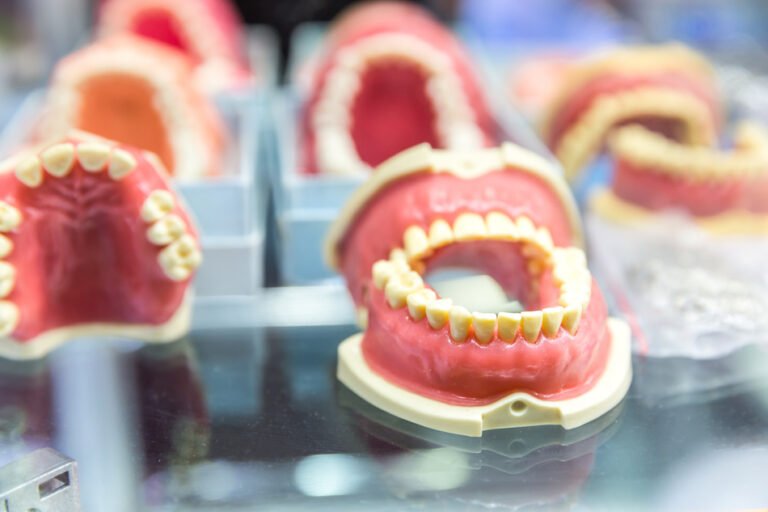
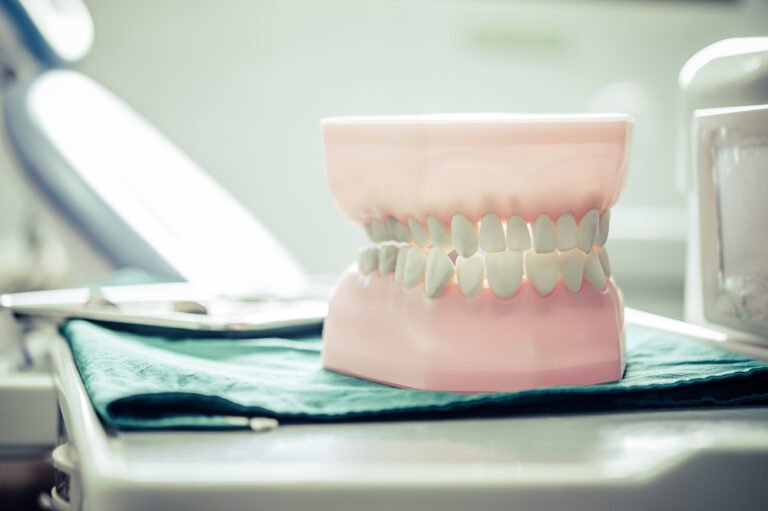
An example of a detachable dental device that replaces lost teeth is dentures. Dentures are also referred to as false, artificial, or fake teeth. Dentists that specialize in replacing teeth are known as prosthodontists.
7 ways to clean and take care of your dentures
Maintaining your dentures may seem intimidating, but it’s not as hard as it appears. You must follow a few easy steps to care for your dentures properly.
Must See: Things to Do When You Have an Emergency Dental Situation
Brush your mouth well
Starting with taking care of your mouth, you may take better care of your dentures. Even if you have complete dentures and have had all your teeth removed, you should still wash your gums, tongue, and palate daily with a soft brush before putting them in.
Plaque removal and increased blood flow in the mouth are two benefits of this brushing that are crucial for oral health.
Clean your new dentures
Since you’ll be cleaning your new dentures daily, cleaning them is perhaps the most crucial aspect of caring for them. Compared to brushing your natural teeth, cleaning your dentures is a little more difficult but still rather straightforward.
Remove your dentures after meals and rinse them under running water as the first step in cleaning them. Doing this can help prevent leftover food from sticking to surfaces or contaminating other areas of your mouth with bacteria or germs.
Read More: Common Orthodontic Problems, and How to Treat Them?
It’s acceptable if you can’t rinse your dentures after every meal. Cleaning your dentures with a denture cleanser, dishwashing, hand soap, and a soft-bristled brush is the most crucial part of maintaining good oral hygiene. Plaque and stains can be expelled by using the same. Don’t forget to clean the dentures’ other surfaces.
If you use denture adhesives, it’s crucial to remember that before using the cleaner on them, you should remove any glue using warm water, a gentle brush, or a soft wet cloth.
Keep dentures damp
Dentures must always be kept damp. Dentures will dry out if you don’t keep them hydrated. Dry dentures can lose their shape over time. Therefore, it is important to remember to soak your dentures every night. For soaking, use water or a denture cleaner. During a consultation, inquire about this procedure in greater detail.
Handle dentures safely
With good care, your dentures can last for many years. However, improper care might reduce their lifespan and make you buy new ones more quickly. You can take a few easy steps to maintain your dentures secure and in good shape.
Please put them in and pull them out first over a towel that has been folded, a sink filled with water, or another supple surface. If you should lose your grasp and drop your dentures, this can assist prevent shattering them.
Read More: What are the Different Types of Professional Teeth Whitening Treatments?
Use the same soft surface you used to carry outside to clean them. Once more, doing so reduces the chance of breaking if the dentures are dropped.
Next, constantly submerge them in water or denture cleaner while not being worn or cleaned. Doing this can prevent drying out and warping, making wearing your dentures uncomfortable or impossible.
Ensure you always keep your dentures out of reach of children and pets. Last but not least, resist the urge to remove your dentures and briefly cover them in a paper towel or napkin. It might be mistaken for trash and thrown away by someone. You can consider different types of dentures when visiting the dental clinic in Calgary.
Store dentures well
Your gums need regular rest from your dentures. Most dentists recommend taking them out for several hours each day, and the majority of individuals remove their dentures at night. But you might also want to take them out at other times. It’s important to preserve your new dentures correctly when not using them.
Your dentures may be stored properly by soaking them in water or a denture solution. After carefully washing your dentures, place them in the container after pouring water or your preferred denture solution into a glass or denture storage container.
Read More: Understanding Different Types Of Root Canal Treatments
Rinse your dentures well before putting them back in. This step matters most if you soak them in a denture solution: to prevent nausea, burning, or discomfort from the chemicals in denture solutions, always rinse them after soaking. Never swallow denture cleanser, and follow the directions on the package.
Book regular dental check-ups
It’s crucial to have routine inspections so your dentist can check that your dentures fit correctly and are thoroughly clean. Your dentist will also inspect the interior of your mouth to ensure it is healthy. You should schedule an appointment immediately if you feel discomfort or slippage when wearing your dentures. This might mean that they do not fit you properly.
Fittings and adjustments
Keeping all of your dental visits is another crucial aspect of maintaining your new dentures. You might need to schedule more than one session to have your dentures altered and correctly fitted to your mouth. It might be tempting to skip these sessions if you have no pain, but keep them. You risk developing mouth sores, ulcers, or bleeding gums if your dentures don’t fit properly. Keep all your scheduled appointments to help make sure your dentures fit well and that you like wearing them. See your dentist about any mouth sore that does not heal within two weeks.
Check Now: What Are the Common Types of Dental Bridges?
What you should avoid?
Bleach-contained products
Bleach and whitening chemicals can damage dentures and alter their colour, so avoid using them. Chlorine-containing solutions shouldn’t be used to soak dentures with metal attachments since they can corrode and discolour the metal.
Whitening toothpastes
Peroxide is a common ingredient in toothpaste marketed as whitening pastes. However, it does not work on the color of denture teeth.
Abrasive cleaning materials
Avoid using harsh toothpaste, powerful cleaners, and brushes with stiff bristles since they are too abrasive and can harm your dentures.
Read More: Understanding Different Types Of Root Canal Treatments
Conclusion
Dentures are one option in restorative dentistry for replacing missing teeth. Your dental health is also linked with the health of the rest of your body. Dentures have advanced over the years and can be a secure, practical way to help restore your smile and your ability to chew.
Next step: Learn about dentures at The Port Dental Clinic in Calgary NE. We are open 7 days a week and accept new patients. Book online or call 403-345-1110.