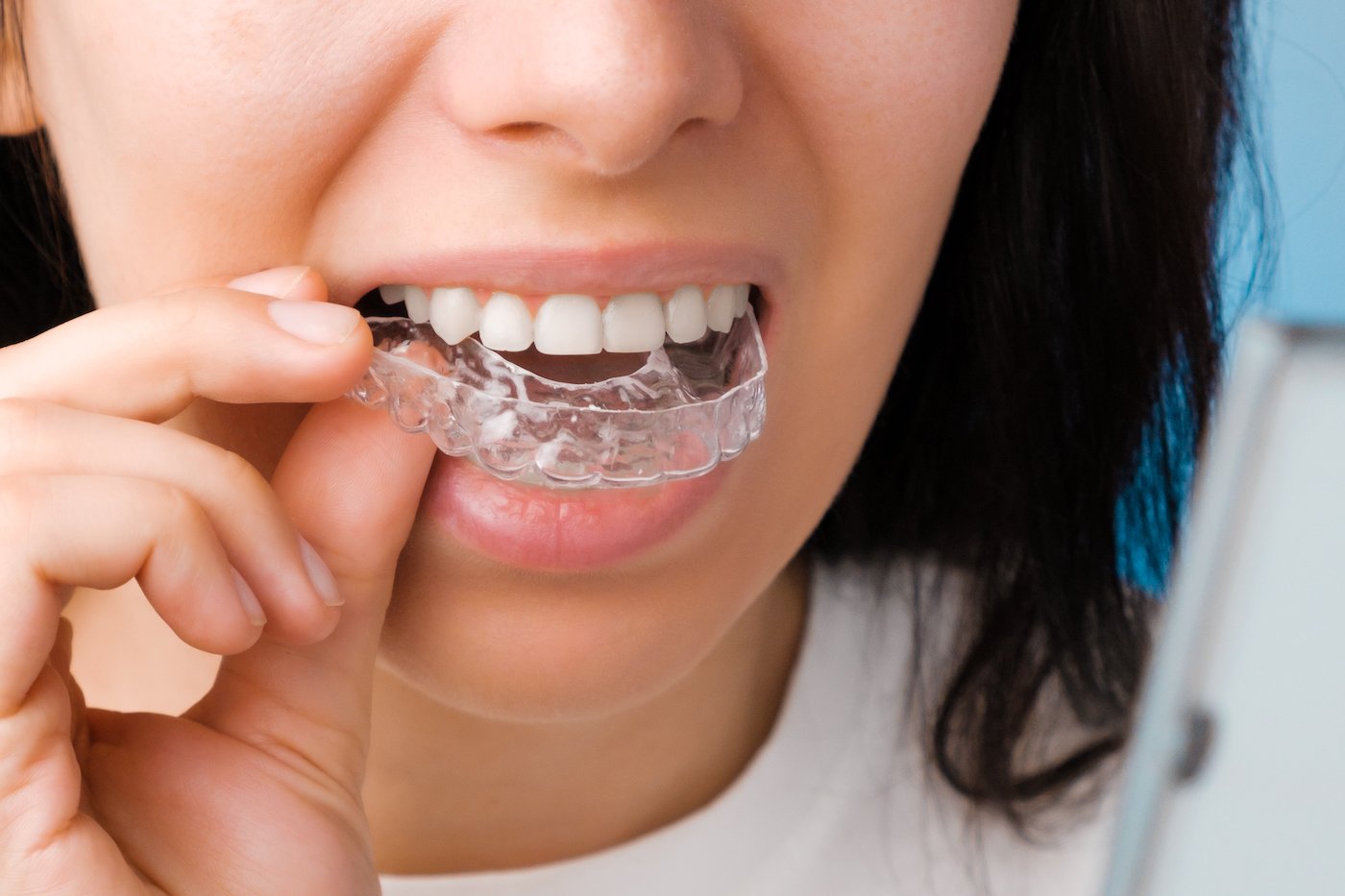
Whether metal or transparent, modern braces are designed so you can still brush well with some extra care. But, wearing braces for a longer period may need you to change your lifestyle. In this post, we will consider the things you need to consider when wearing braces.
Restrictions and recommendations are a must if you wear conventional metal braces to address tooth misalignments. In addition to eating the right foods, it’s important to practice good dental hygiene.
Damage to your metal braces might affect your orthodontic treatment in Calgary plan if you don’t take adequate care of your teeth.
Here are a few pointers on properly caring for your metal braces and keeping your oral hygiene intact.
Read More: Everything you need to know about dental floss for oral hygiene
Caring for your teeth with braces
When you wear metal braces, brushing your teeth may be a challenge because you must be cautious not to damage the wires or dislodge a bracket while removing all of the food particles built up. A careful touch is still required to brush your teeth, even if you use a toothbrush with softer bristles to prevent harming your braces.
It’s advised to avoid hard and sticky foods when wearing braces since they might harm them.
Here is a short but likely incomplete list of foods you should avoid while in braces:
Hard and crunchy foods: Chewing ice, nuts, popcorn, hard candy, whole apples and carrots (unless cut into bite-sized pieces), corn on the cob, and hard bread.
Extra-sticky foods: Taffy, caramels or similar chewy candies.
Chewy foods: Pizza crust or beef jerky, gummy bears. Note: no chewing on pencils or pens.
Super-sugary foods and drinks: If you eat sugary foods, make sure to brush as soon as possible afterwards.
Check Now: Preparing Your Child for Their First Root Canal Treatment? Here’s What You Need to Know
Regular Flossing
Flossing while having braces might be difficult, but it’s an important part of any dental hygiene practice. It helps remove plaque build-up and food particles lodged in braces or between teeth. Consider floss threaders or interdental brushes if you find it difficult to floss using flossing tape.
You may get them at a grocery store or drugstore, and they will assist you in navigating your brackets. When flossing, remember to be gentle. If you exert too much force or move too rapidly, you might damage your braces and need an extra visit to fix them.
Read More: What are the things to consider before getting dental implants?
Brushing
When wearing braces, brushing and flossing at least twice a day is critical to keep your teeth and gums healthy following treatment. Patients who aren’t diligent about brushing and flossing may need to see the dentist more often to have their teeth professionally cleaned. Before beginning orthodontic treatment, those who have had gum disease in the past should talk to their dentist, who may refer them to a periodontist (gum specialist).
If you decide to use an electric toothbrush, ensure it is simple to use and comfortable to hold. Your dentist may recommend a model with a rotating-oscillating brush head or a type with very quick vibrating bristles. Additional features, such as programmable timers and batteries that may be recharged, are available as options. To make sure that the toothbrush continues to function properly, follow the manufacturer’s instructions for replacing the head.
Must See: Why do your kids need to see the dentist frequently in their early years?
Toothpaste, Floss, and Mouthwash
To help avoid cavities, gum disease, and bad breath, ask your dentist about the best mouthwash, floss, and toothpaste for you. Very abrasive or whitening products may not suit braces, so check with your dentist before using them. Make sure your floss is long enough to reach the bracket wires and back again.
Use Oral Irrigator
An oral irrigator might help you remove more plaque and food debris from your mouth. Fill its tank with fresh water before each use. Moderate pressure water emitted from the irrigator’s tank is used to remove food particles, germs, and plaque from patients’ gums, teeth, and braces. Use this gadget as an extra step, not instead of brushing or flossing. Use it as often as your dentist recommends.
Check Now: How to take care of your oral hygiene while wearing braces?
Wear it everyday
You want to ensure that your teeth remain in their ideal place now that they’ve been properly adjusted. Wear your retainer exactly as your dentist or orthodontist advises. Depending on your circumstances, this may be most of the day or only at night.
Regardless, this is a critical step that should not be overlooked. After years of braces, there is nothing worse than having your teeth migrate back to where they were before. Your retainer can help keep your teeth in their new position.
Read More: How do scaling and root planning help address gum diseases?
Cleaning your braces
When brushing around your braces, you don’t need to use a particular one; just make sure you spend extra time on each quadrant (quarter) of your mouth so you clean around every bracket. Brush after meals when you can, and at least twice a day. Flossing your teeth regularly is just as vital as brushing.
There are several options to assist with flossing with braces.
Water Flossing: As an alternative to standard dental floss, you might use this device that sprays a continuous stream of water between your teeth and around your braces to remove any food particles your brush may have missed.
Interproximal brushes: You may get rid of food particles lodged between your wires using interproximal brushes.
Floss Threaders: To floss normally, you will need floss threaders, which enable you to weave regular dental floss under the wires.
Must see: 8 Tips to Follow After Completing a Root Canal Therapy
For athletes
The particular measures you should take if you participate in sports should be discussed. A mouthguard is recommended for contact sports, so ask your dentist about one that fits over braces. You should check your mouth and braces quickly if you have been involved in an accident affecting the face.
Make an appointment as soon as possible if your braces, dentures or bridges become loose or broken. Meanwhile, for pain, use over-the-counter pain relief only as directed on the package, and ask a pharmacist, doctor or dentist which option is safe for you, especially for children. Call 911 if you have trouble breathing or swallowing. For facial swelling with fever, or a serious injury, go to an emergency department or call Health Link 811 (24/7 advice from a registered nurse). Otherwise, call the clinic at 403-345-1110.
Check Now: What Are the Common Types of Dental Bridges?
Wrapping Up
Good dental hygiene is important at every stage of life, but it is especially important when you have braces because it can help keep your teeth from getting stained, protect the health of your gums, and reduce bad breath. If you can, it’s best to brush your teeth after every meal. If you can’t brush your teeth right away, rinsing your mouth with water can help clear away some food until you can brush. Call your dentist if a bracket or wire breaks, or if your gums stay sore or bleed.
Next step: Learn about braces at The Port Dental Clinic in Calgary NE. We are open 7 days a week and accept new patients. Book online or call 403-345-1110.