Good oral hygiene is essential for overall health. Unfortunately, in today’s fast-paced society, individuals often find it challenging to maintain optimal dental hygiene due to tight schedules and hectic lifestyles. However, regardless of how busy one’s day may get, neglecting oral health is not an option.
Neglecting oral hygiene could lead to various dental issues, such as tooth decay, gum disease, and bad breath. Gum disease has also been linked with other health conditions, such as heart disease and diabetes, though researchers are still studying how they are connected. Thus, it’s important to prioritize dental hygiene, regardless of how busy you are.
Create and Follow a Strict Dental Hygiene Routine
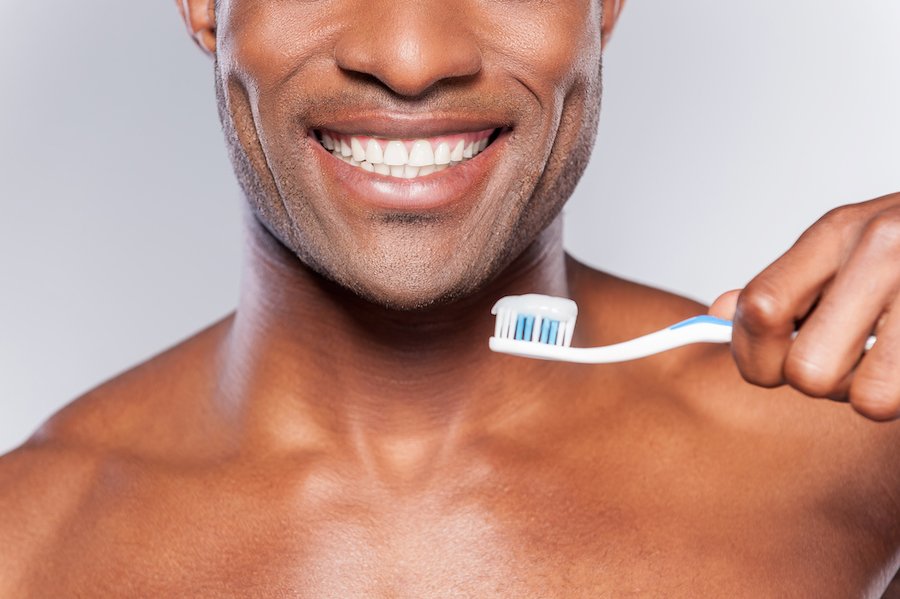
The first step to maintaining good dental hygiene is creating a strict routine and sticking to it, no matter how busy you may be. This routine should ideally include brushing your teeth at least twice a day, once in the morning and once before bed. Brushing after meals can help remove food particles and plaque from your teeth, reducing the risk of tooth decay and gum disease.
Must Read: 5 Tips for Maintaining Good Dental Hygiene for Busy People
Flossing cleans the spaces between the teeth and along the gum line that your toothbrush can’t reach. Flossing once daily, preferably before bedtime, can help improve oral health.
Lastly, an antiseptic mouthwash can help reduce bacteria and freshen your breath. Ask your dentist whether a mouthwash suits you and which kind. If your schedule is too packed for this, consider carrying a travel-sized mouthwash and using it during a short break at work.
Optimize Your Oral Care Tools
Busy lifestyles require smart solutions. Optimizing oral care tools is one way to maintain good dental hygiene even when you’re busy. Consider investing in an electric toothbrush. Some studies show that electric toothbrushes can remove more plaque than manual ones, which can make brushing time more efficient. Your dentist or hygienist can help you choose a brush.
Read More About: Say Goodbye to Bad Breath: 10 Effective Cures
Also, consider using pre-threaded flossers or floss picks if traditional flossing is time-consuming or difficult. They are convenient, easy to use, and can effectively clean the spaces between your teeth.
You can consider using some of the following dental tools:
Electric Toothbrushes:
The electric toothbrush is a prime example of an optimized oral care tool. Several studies suggest that electric toothbrushes can remove more dental plaque than manual toothbrushes. But how do they achieve this?
Must Read: Invisible Alignment: The Invisalign Revolution in Teeth Straightening
Electric toothbrushes possess rapid oscillating or rotating motions and pulsations that effectively dislodge plaque from the teeth surfaces and along the gum line. Unlike manual toothbrushes, which require proper brushing technique and a good amount of manual dexterity to be fully effective, electric toothbrushes provide motion. With an electric toothbrush, you only need to guide the brush along your teeth and let it do the work.
Pre-Threaded Flossers or Floss Picks
When it comes to flossing, many people find it tedious, time-consuming, or simply hard to maneuver traditional floss in their mouth, especially around back teeth. But flossing is necessary. This is where pre-threaded flossers, also known as floss picks, can be handy.
Floss picks are small plastic tools with a piece of dental floss threaded between two prongs. Some models even include a pick-like end to remove larger food particles stuck between the teeth. Their design allows easy handling and access to hard-to-reach areas of the mouth, making the flossing process quicker and less cumbersome.
Read More: 5 Potential Root Canal Complications and Solutions To Consider Before Treatment
One significant benefit of floss picks is their convenience. They’re portable and can be easily tossed into your purse, pocket, or car, allowing you to floss whenever and wherever you have a spare moment, ensuring you pay attention to this essential part of your dental hygiene routine.
Prioritize Regular Dental Checkups
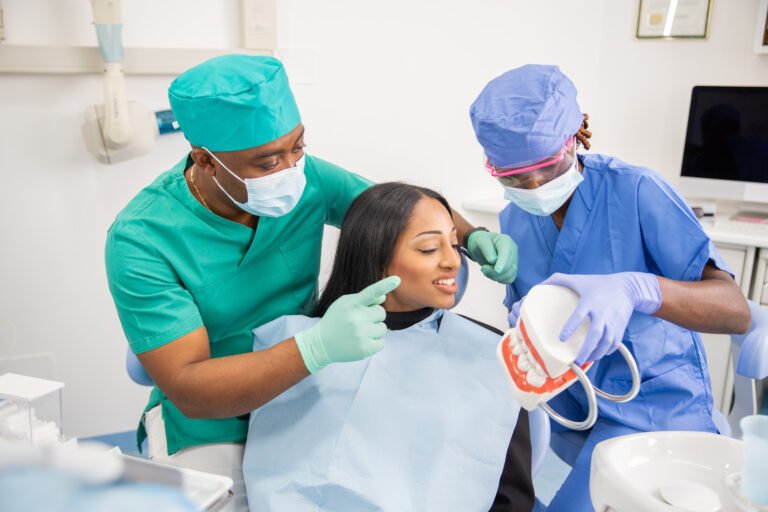
Regular dental checkups are crucial for maintaining oral health. During these appointments, your dentist can catch early signs of problems like gum disease, cavities, or oral cancer, that you may not notice. Many people have a dental checkup, including teeth cleaning in Calgary, about every six months, but your dentist will suggest how often is right for you.
Although you may feel that you need more time to see a dentist regularly, consider these visits an investment in your health that can save you time and money in the long run. By catching dental problems early, your dentist can treat them before they become more serious and require more extensive (and time-consuming) treatment.
Incorporate Healthy Eating Habits
Your diet plays a significant role in oral health. Eating a balanced diet rich in fruits, vegetables, lean proteins, and whole grains can benefit your teeth and gums. Limit your sugary and acidic foods and beverages, as they can lead to tooth decay and erosion.
Must Read: Understanding Oral Bacteria’s Role from a Dentist
For busy people, it’s essential to plan your meals and snacks to ensure they are healthy and good for your teeth. Snacking on cheese, nuts, and crunchy vegetables like carrots and celery can help stimulate saliva production, naturally washing away bacteria and food particles. If you have food allergies or a health condition that affects your diet, check with your doctor first.
Stay Hydrated
Staying well-hydrated is essential for overall health, including oral health. Water aids in washing away food particles and bacteria from the mouth, reducing the risk of cavities and gum disease. It also helps maintain a healthy saliva level. Saliva is your mouth’s primary defense against tooth decay because it contains proteins and minerals that counteract acids that can erode enamel.
If you’re often on the move, consider carrying a reusable water bottle to ensure you drink enough water throughout the day.
Wrapping up
Maintaining good oral hygiene can be challenging when you’re always on the go, but it’s not impossible. You can help keep your teeth and gums healthy by creating a strict dental hygiene routine, optimizing your oral care tools, prioritizing regular dental checkups, incorporating healthy eating habits, and staying hydrated. Remember, your oral health is an integral part of your overall well-being. Make time to take care of your smile, no matter how busy life gets.
Consistency is key in dental hygiene. Establishing and adhering to a steady routine is what matters most: brushing twice daily, flossing once daily, and rinsing with mouthwash if your dentist recommends it. This regimen helps remove plaque and lower the risk of tooth decay and gum disease, which could otherwise lead to more complex and time-consuming dental procedures.
See your dentist if you notice bleeding gums, tooth pain, sensitivity, or bad breath that does not go away. Call us at 403-345-1110 or book online.