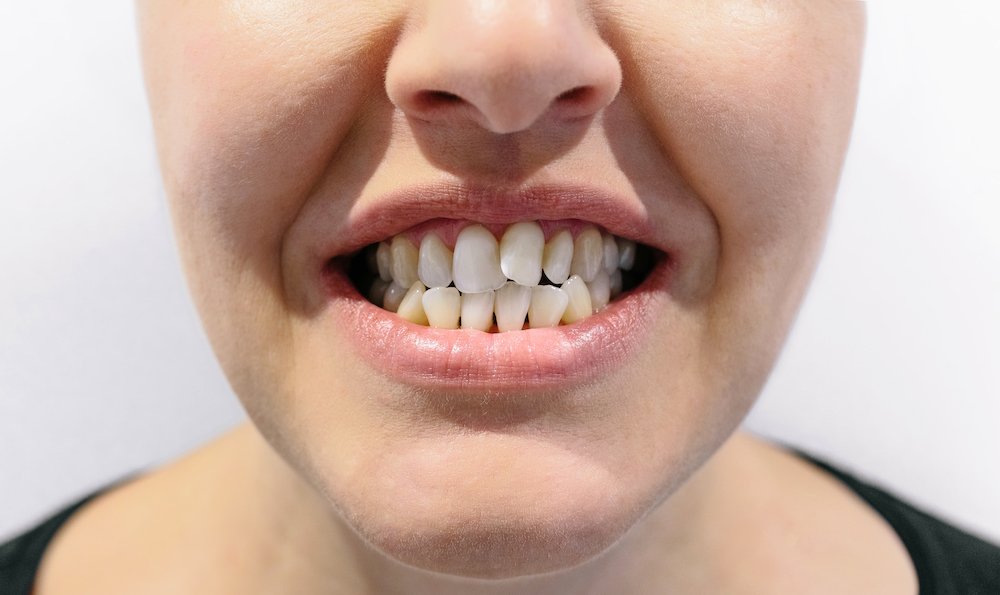
Crooked teeth can affect how you feel about your smile, and they may also affect your dental health. For example, they might interfere with something so simple as biting down on food. Over time, biting and chewing unevenly because of misaligned teeth can lead to uneven wear. Crooked teeth can also be harder to clean, which may raise the risk of tooth decay and cavities.
This can happen for some people with crooked teeth, even if it does not happen right away. Because of this, it is worth asking your dentist about treatment. You must be wondering then how to treat crooked teeth. Well, that’s why you need to read this blog.
Defining crooked teeth treatment
When a parent walks into an orthodontic clinic, there is one thing they frequently ask: Why are my child’s teeth crooked? How to treat crooked teeth? Unfortunately, there is only a partial response to this query. For various factors, including genetics, abnormal jaw growth, patient behaviours, blocked airways/chronic mouth breathing, and other severe oral health issues, teeth can develop wrongly.
Read More: The Benefits of Orthodontic Treatment in Calgary: Beyond Straight Teeth
There are a few things parents should watch out for to make sure their children are growing up with healthy, confident smiles, even if some of these factors are out of our control and braces or other types of orthodontic treatment may be required to straighten crooked teeth.
Why must you fix crooked teeth?
Crooked teeth can affect more than appearance. Because it’s more difficult to clean and floss properly around crooked teeth, you’re more likely to develop plaque and bacteria accumulation. Gum disease and tooth decay may result from this.
A healthy, attractive smile is simpler to maintain with straight teeth, which could end up saving you money in the long run. Speaking of money-saving opportunities, straightening your teeth may lower the risk of worn-down, flattened, chipped, or broken teeth in the future.
Must See: A Parent’s Guide to Children’s Dental Care: Establishing Healthy Habits Early
Misaligned or crooked teeth may contribute to TMJ (jaw joint) problems and other bite and jaw issues. If you frequently feel jaw, neck, or headache pain, we advise for a dental check-up to determine if this is the cause of the issue.
Finally, crooked teeth can make you feel less confident. Because of your crooked teeth, you might hide your smile, avoid social situations, and stop living life to the fullest.
Crooked teeth treatment can help many people feel better about their smile and their dental health.
How to treat crooked teeth?
Accelerated orthodontics
Accelerated orthodontics aims to shorten the time needed to straighten teeth. It is usually used alongside braces, which have traditionally been the conventional method of straightening crooked teeth. How much time it saves varies from person to person.
Check Now: What Are the Common Types of Dental Bridges?
Several devices and techniques are used, such as small devices worn for a short time each day that apply gentle vibration. Results vary, and they are not right for everyone, so ask your dentist or orthodontist whether one could help in your case.
Veneers
Veneers, especially those made of porcelain, can improve the look of slightly misaligned teeth, though they do not move teeth. You can receive dental veneers in Calgary. This treatment is concerned with how the teeth look. These thin shells, which are affixed to the affected tooth’s front, can make teeth look more even. These are typically only advised for slight misalignments, though. There are things to consider before getting veneers, you can ask your dentist about them.
Read More: Understanding Different Types Of Root Canal Treatments
Braces
Clear aligners, such as Invisalign, use a series of translucent trays instead of brackets and wires. As opposed to traditional metal braces, many people find the aligners more comfortable to wear.
Clear aligners are now a common choice for alignment issues such as spacing, crowding, and some overbites. Another benefit over typical metal braces is that they can be taken out for eating and cleaning, though they need to be worn most of the day to work. This helps avoid the frequent problem of food getting stuck in metal braces.
Read More: What are the Different Types of Professional Teeth Whitening Treatments?
Dental bonding
Dental bonding adds a tooth-coloured composite resin to the front surface of a tooth to improve the look of small chips, gaps, uneven edges or stains. It does not move teeth. Ask your dentist whether it suits you.
Crowns
Dental crowns are covers that provide protection and match the colour of your teeth. They are mainly used to protect damaged or broken teeth. In some cases, a crown can also improve the look of a tooth that is slightly out of line, but it does not move the tooth.
Invisalign
Trays for Invisalign are constructed of strong, transparent plastic. They are virtually invisible to the eye since they are transparent. Many people won’t notice you wearing them. Contrast that with how adults straighten their teeth using metal braces.
Because the Invisalign aligner trays are removable, general maintenance is made simpler. They can be put in and removed. Because you take them out to eat, you have fewer food limits than with braces, but you need to brush before putting them back in. Of course, this is distinct from conventional metal braces, which are challenging to brush and floss with and have dietary restrictions.
Read More: Common Orthodontic Problems, and How to Treat Them?
With metal braces, gum, popcorn, hard candies, and some other foods are usually avoided. With Invisalign, these limits mostly do not apply, though you should ask your dentist which drinks are fine with aligners in.
Many patients find aligners cause less irritation to the gums and cheeks than metal braces. There is a certain amount of discomfort as teeth move within the mouth. Invisalign can be a good option for many adults with crooked teeth, and your dentist can tell you whether it suits your teeth.
Cost for crooked teeth treatment
Depending on your teeth and the treatment approach chosen to align them, the cost of correcting crooked teeth will change. Treatment objectives, duration, and current dental structure can all be determining factors. During your consultation session, your dentist or orthodontist will prescribe the course of treatment that is most appropriate for you and provide you with a cost estimate and payment schedule.
See your dentist if crooked teeth make it hard to bite, chew or clean, or if you have jaw pain, headaches or teeth that are wearing down. For children, an early check can show whether treatment may be needed later. Your dentist will refer you to an orthodontist (a specialist in straightening teeth) when needed.
Next step: Learn about orthodontic care at The Port Dental Clinic in Calgary NE. We are open 7 days a week and accept new patients. Book online or call 403-345-1110.