Childhood is the foundation of healthy adulthood. Be it education or health, if you train your kid to practice good health care, it can help set them up for a healthier adulthood. Thus, keeping children’s overall health in check is critical for their proper growth and development. Oral health is crucial to this, and developing healthy habits beginning in childhood can help lower the risk of complications such as tooth decay and premature tooth loss.
In adulthood, the practice of maintaining good oral health can help your kid in maintaining overall health. A first dental exam is recommended within six months of the first tooth or by age one. The dentist can educate your child on proper tooth care and help find and treat problems early on. Pediatric dental care is as important as senior dental care.
However, you must be wondering why a child needs a dental visit? Well, here are some of the reasons why routine dental examinations are beneficial for children:
Read More: Everything you need to know about dental floss for oral hygiene
It instills in children an early awareness of the importance of oral health
It is never too early to begin teaching children the value of good oral hygiene. We encourage families to visit their dentist early on to instill good oral health care habits. Dentists for children can help them learn how to properly care for their teeth and teach them the proper way to brush and floss for healthy teeth and gums.
Also Read: Common Questions About Braces Answered – A Kid’s Perspective
It fosters a favourable attitude toward dental visits.
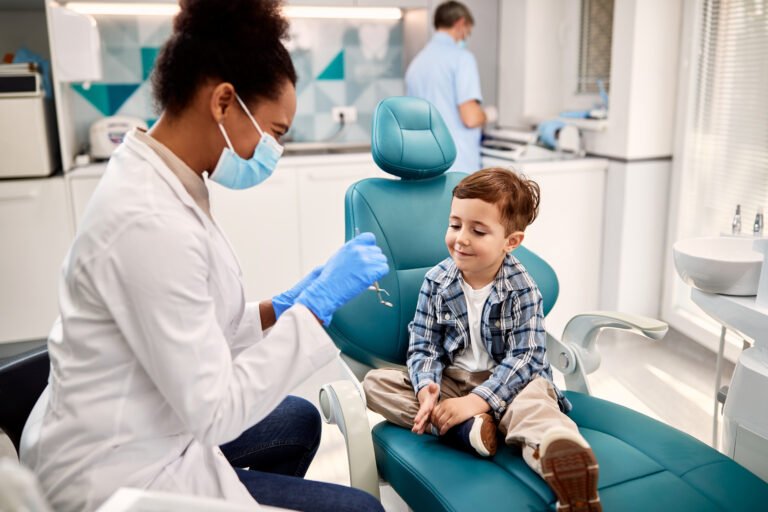
The more frequently children visit dentists, the more accustomed they become to this procedure, which becomes normal. Their fear of the dentist often eases as visits become familiar. Also, regular visits make them understand that a visit to the dentist is necessary to ensure their dental health is in order. Additionally, kids will develop a positive attitude toward dental visits throughout their adolescent and adult years. With regular checkups and visits, children will gradually gain confidence and dentist visits will become less stressful. Additionally, the dentist can clean children’s teeth to promote proper oral health and help lower the risk of tooth decay and cavities.
Read More: What are the things to consider before getting dental implants?
To detect oral health problems quickly.
When your child’s teeth are examined regularly, many developing problems can be treated before they get worse. This may save you money and time. Occasionally, issues arise due to poor dental hygiene or diet, which can be stopped and resolved on time if detected early enough. For example, if there is any decay in your kid’s teeth, it can often be treated before it causes pain.
The significance of routine cleaning
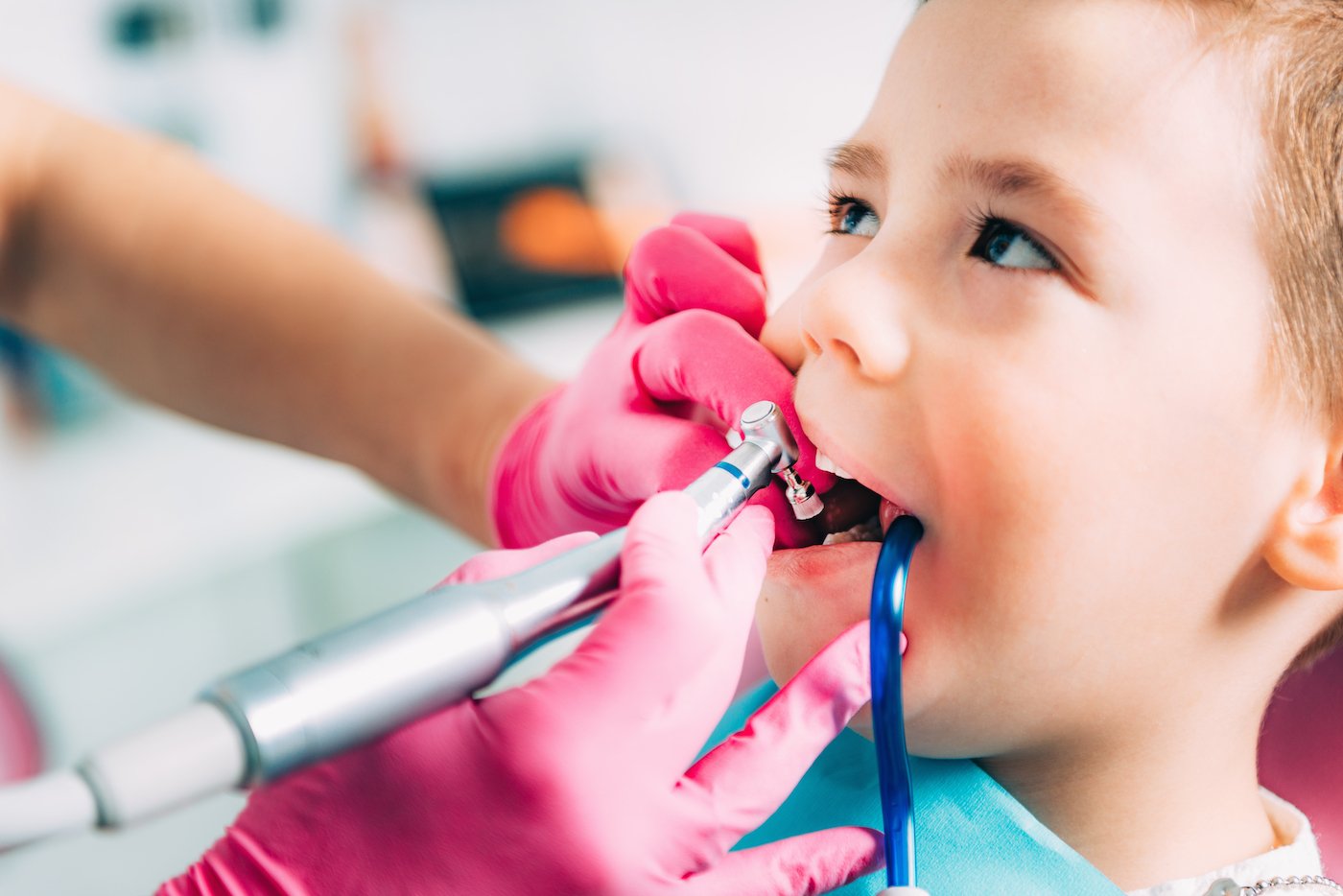
Plaque or tartar frequently forms on teeth, and regular cleaning can help remove plaque and bacteria from teeth. Most children lack the motor skills necessary to properly brush and floss their teeth, where pediatric hygienist treatment comes in. This is critical to remove any debris or buildup that may have been overlooked. Because tooth decay is one of the most prevalent diseases in children, it is critical to identify and treat cavities in their early stages to be managed effectively.
Must See: Why do your kids need to see the dentist frequently in their early years?
Neglected cavities can cause damage to the teeth, resulting in infection of the tooth nerve or an abscess (a pocket of infection), and the need for fillings or, in severe cases, extractions. Many children have dental checkups about every six months, but your dentist will recommend how often your child should come in based on their needs.
It promotes the development of the mouth and teeth healthily.
Healthy baby teeth help children chew and speak, and they hold space for the adult teeth. This is why it is important to take proper care of baby teeth to help keep them from falling out prematurely. If this happens, the nearby teeth can shift, which may cause the permanent teeth to grow crooked or out of place.
Check Now: How to take care of your oral hygiene while wearing braces?
Keep an eye on your child’s oral health.
Regular checkups inform you about your child’s dental health and identify small decay, overcrowding, crooked teeth, and more that can be detected early and treated appropriately.
Apart from this, some habits also need the attention of a dentist because some habits can hamper oral health. These habits are:
Sucking of the Thumb
Sucking on their thumbs is a common habit for infants, who may do so to relieve boredom, hunger, or exhaustion. However, if thumb sucking is continued past the age of four or five, it can be detrimental to the development of permanent teeth. Additionally, it may be accompanied by lip sucking. The teeth and jaw can become misaligned, resulting in an overbite.
Read More: How do scaling and root planning help address gum diseases?
Incorrectly positioned teeth may contribute to jaw discomfort, gum disease, and tooth decay. Some ways to break this habit are fun methods such as cartoons, finger guards, and rewards. Ask your dentist or doctor which approach suits your child before using any product, such as a bitter-tasting nail coating.
Syndrome of the Nursing Bottle
Infants who fall asleep with baby bottles containing sugary liquids such as juices or milk in their mouths are at risk of developing tooth decay. Bacteria accumulate in the mouth due to sugar and leftover food, resulting in erosion and plaque formation. Without treatment, this can lead to pain, infection, and early loss of baby teeth.
Early warning signs include white spots and cavities. Ascertain that your child does not fall asleep with a bottle containing anything other than water in their mouth, avoid frequent contact with sugar, and avoid dipping the pacifier in sweet liquids such as honey. Never give honey to a baby under one year old.
Must see: 8 Tips to Follow After Completing a Root Canal Therapy
Misalignment
Genetic factors may contribute to the development of misaligned teeth. Crowded and crooked teeth can crossbite, preventing food from being chewed properly. In some children, it may contribute to discomfort, speech difficulties, and inner cheek biting.
Malocclusion can also raise the risk of problems such as gum infections, tooth decay, and tooth loss by making it more difficult to clean the surfaces of the teeth effectively.
Orthodontists may use orthodontic appliances such as braces and retainers to realign teeth. It is recommended to practice good oral hygiene, including brushing twice daily, flossing, using fluoride products, rinsing with water after having sugary food, and scheduling regular dental visits. Ask your dentist which fluoride products suit your child’s age.
Also Read: Common Questions About Braces Answered – A Kid’s Perspective
How to care for your child’s teeth?
- The sooner you can begin focusing on tooth brushing for children, the sooner it will develop into a long-term habit.
- You can gently brush your baby’s teeth as soon as the first tooth appears, usually around six months. Gently wipe the gums with a soft, damp cloth and, once a few teeth are present, replace the fabric with a toothbrush with a small head and soft bristles.
- Brush your teeth and gums twice a day, once in the morning and before bed. Family members must refrain from sharing toothbrushes.
- Use only a small amount of fluoride toothpaste for young children, and ask your dentist how much is right for your child’s age. Supervise brushing so children use the right amount.
- Brush all sides of each tooth and the gums using small circular motions. Brush in a back-and-forth motion across all chewing surfaces. Fluoride in toothpaste aids in tooth decay prevention. After brushing, children should spit out, not swallow or rinse.
Check Now: What Are the Common Types of Dental Bridges?
While it is important to encourage children to brush their teeth, they lack the manual dexterity and skill necessary to use a toothbrush until they reach 7 or 8 properly. Therefore, it is recommended to supervise and assist children in brushing and flossing their teeth until they reach the age of eight.
If you need any dental assistance for your child’s oral health then contact us to book an appointment with one of our dentists.
See a dentist if your child has tooth pain, white or brown spots on the teeth, or bleeding gums. For a dental injury, call the clinic at 403-345-1110 right away. Call 911 for trouble breathing or swallowing. For facial swelling with fever or a serious injury, go to an emergency department or call Health Link 811 (24/7 advice from a registered nurse).