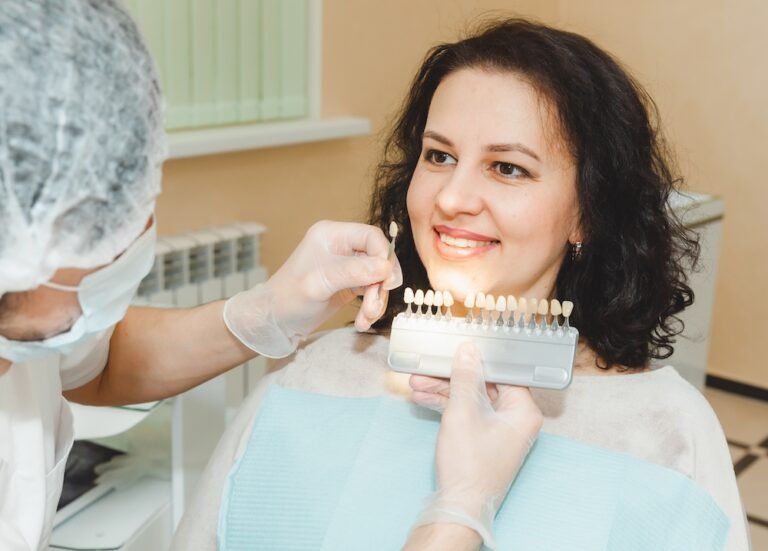

There’s more to Ideal Oral Hygiene than avoiding cavities and gum disease. According to studies, the condition of a person’s teeth and gums may indicate their general health. Experts agree that poor oral health is a major concern across the world.
Cavities and gum disease may cause discomfort, loss of self-esteem, and even tooth loss if they are not treated. Malnutrition, speech impairment, and other difficulties in one’s professional and personal life may result from these conditions. Often, our dentists in Calgary come across such patients and help them address these issues better.
Taking care of your teeth and gums reduces strain on dental offices and their employees, which is excellent for your health and your family. Take care of your teeth and gums with these 7 easy, at-home practices that will make a big difference in your oral health.
Read More: What Is Gingival Enlargement? Treatment Options and Aftercare for Better Management
Daily Routines for Ideal Oral Hygiene
1. Floss Your Teeth Daily
Plaque may build up in areas your toothbrush can’t get to, so it’s crucial to floss once a day to get rid of it. This plaque builds up and becomes hard if it isn’t removed. This hardens into tartar and ultimately has to be removed by an expert. Cavities, bone loss, gum disease, tooth loss, and so forth may all result from this accumulation. Remember to floss your teeth regularly to maintain good oral hygiene.
2. Brush for at least 2-3 minutes
Most individuals don’t spend nearly enough time cleaning their teeth, so when you do, make sure you take your time. You should aim to brush for at least two to three minutes, with around one and a half minutes dedicated to each arch (upper and lower).
Must See: 5 Causes of Teeth Discoloration and How Bleaching Can Help
3. Eat Healthily
The chances of developing cavities may be reduced, and optimal oral health can be maintained by selecting foods that promote these goals. Choose fresh produce, lean meat, dairy products, and nuts. When you need a fast snack, cheese, plain yogurt or crunchy vegetables are kinder to teeth than sweets. Drinking water might help keep your mouth clean between brushing and flossing. Your dentist can suggest changes that suit your diet and health.
4. Rinse with water after meals
Some dental problems, including bad breath and tooth decay, may be linked to a buildup of bacteria and food left on the teeth. A quick rinse with water after meals can help clear food bits until you can brush. Please do not use apple cider vinegar as a mouthwash: it is acidic and can wear down tooth enamel.
If you would like to add a mouthwash to your routine, ask your dentist which type suits you. Alcohol-free and fluoride rinses are available, and the right choice depends on your mouth and health.
Read More: Flossing: Why Is It Necessary and How You Should Do It Right?
5. Visit dentists regularly
Many people have a dental exam about every six months, though your dentist may suggest a different schedule. During a regular dental checkup, the hygienist will polish the teeth that help you keep your teeth naturally white. Also, a regular visit helps remove any tartar or plaque that has developed.
The dentist looks for obvious problems, including tooth decay, gum disease, and oral cancer. Sometimes they’ll use X-rays of the teeth to look for cavities.
A study’s findings reaffirmed the importance of semiannual dental checkups for kids in Calgary and teens in the fight against tooth decay. Adults with consistent, thorough daily dental hygiene may not need visits as often, but your dentist is the right person to set that schedule.
Anyone curious about how often they should see the dentist might ask their dentist. The answer might differ for each individual because of their age, medical history, and current oral condition. But if you’ve seen any changes in your mouth, it’s time to make an appointment with your dentist.
Read More: What Are the Common Myths about Root Canal Therapy?
6. Limit sugary foods and starches
Caries, or tooth decay, are one possible consequence of a sugary diet. Consistent evidence shows that sugar is a major contributor to many oral health problems. While sweets and pastries are often to blame, many processed meals also include added sugar.
The World Health Organization (WHO) advises keeping sugar consumption to less than 10 percent of daily calories. Systematic reviewers concluded that bringing that number down to 5% would further mitigate tooth caries and other issues.
Starchy meals, including crackers, bread, chips, and spaghetti, have also been linked to tooth decay, according to experts. The American Dental Association (ADA) explains that acid-producing bacteria feed on the simple carbohydrates left behind after consuming these items. The acid in this food may erode tooth enamel.
Check More: Chow Down in Calgary, But Don’t Forget Your Teeth: A Foodie’s Guide to Oral Health
A diet with plenty of fibre-rich fruits and vegetables and less added sugar is generally good for your teeth and your overall health. Check with your doctor or dentist before making big diet changes, especially if you have diabetes or another health condition.
7. Avoid Smoking
Smoking is not the best choice for one’s health. It can be harmful to your oral health in addition to the lungs and respiratory system. Damage to teeth’s appearance and health, gum inflammation, and even oral cavity cancer are all possible results.
We recognize that breaking the habit of smoking is hard. It may cause significant damage to the mouth, but stopping can reduce this risk. The length of time you’ve used tobacco products is irrelevant. Quit smoking for oral health; your lungs and blood vessels will thank you. Your doctor or pharmacist can help you choose quit-smoking support that is safe for you.
Must See: How Can Seniors Citizens Take Care of Their Dental Health?
Conclusion
With patience, you can find time to improve your dental hygiene habits. But you can turn to professionals if you need help taking better control of your oral habits and keeping your smile glowing.
Fortunately, you can hit a Google search ‘dentist near me’ in Calgary who can help you with teeth whitening and other professional dental hygiene services near Calgary. Besides helping you regain confidence with a smile, our dentists in Calgary will help keep your teeth, tongue, and gums healthy. Those are enough reasons not to skip your next visit to The Port Dental Clinic in Calgary.
Book a visit sooner if you notice bleeding gums, tooth pain, sensitivity that lingers, a loose tooth, or a sore in your mouth that has not healed within two weeks. If you are not sure whether it can wait, call us at 403-345-1110.
Next step: Learn about professional teeth cleaning at The Port Dental Clinic in Calgary NE. We are open 7 days a week and accept new patients. Book online or call 403-345-1110.