The typical individual frequently wonders why they should schedule expert teeth cleanings every six months. Most individuals detest going to the dentist, which is the main reason for this. But frequent professional dental cleaning are necessary for good oral health. Regular teeth cleanings can help reduce the risk of developing a variety of oral health issues, including cavities, gingivitis, and other conditions.
What is the process of teeth cleaning?
These are the fundamental phases of a teeth cleaning appointment, albeit the process may differ across dentists. The whole process often takes about an hour. If you have sensitive teeth, tell us before you start so we can talk about ways to keep you comfortable. You can receive teeth cleaning in Calgary.
Read More: What Is Gingival Enlargement? Treatment Options and Aftercare for Better Management
Cleaning
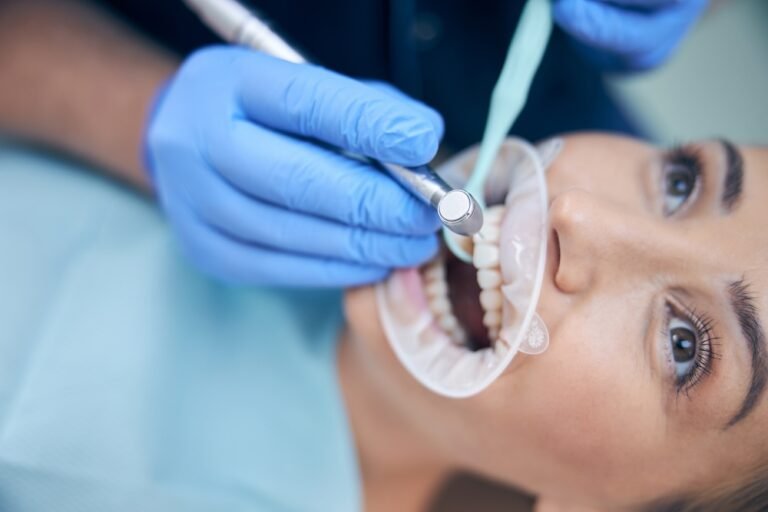
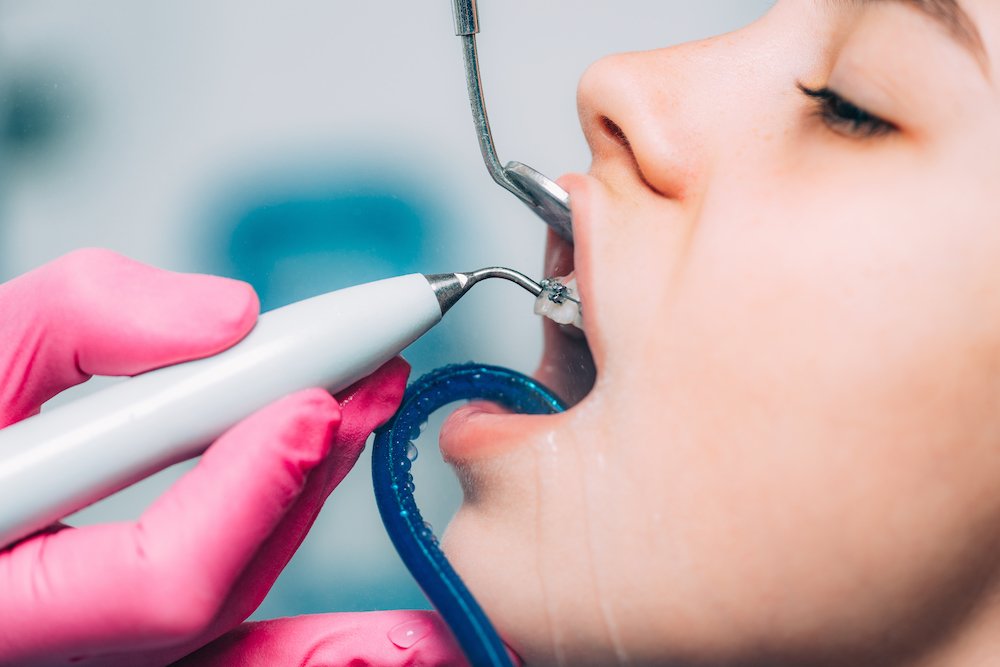
Plaque and tartar will be removed from your teeth during this procedure, commonly called scaling. The hardest-to-reach parts of your mouth will be cleaned by your dentist or dental hygienist using specialised instruments to remove tough plaque. They will also use specialised instruments and floss to clean the areas between your teeth.
The hygienist may use a device known as a Prophy-Jet, which removes plaque, soft debris, and stains using water, abrasive powders, and compressed air. Your mouth will be rinsed out at the conclusion.
Must See: 5 Causes of Teeth Discoloration and How Bleaching Can Help
Polishing
Your teeth are then polished. Your dentist will use a spinning head and dental paste to get your teeth as spotless as possible.
Read More: Flossing: Why Is It Necessary and How You Should Do It Right?
Fluoride treatment
Your teeth may receive fluoride treatment from a dentist or dental hygienist to help prevent cavities. The fluoride treatment might come in the form of a paste, gel, or varnish. After the cleaning, they could talk to you about good dental hygiene and suggest some home care items for your teeth.
Frequency of teeth cleaning
The right frequency for brushing your teeth is a topic of great discussion. Most individuals believe they should go to the dentist for a checkup and professional teeth cleaning once every six months. But not every sufferer will experience this. Patients with gum disease may need a checkup and cleaning more often, such as every three to four months, as their dentist advises.
Read More: What Are the Common Myths about Root Canal Therapy?
More frequent teeth cleaning may also help people who have tooth decay, who smoke, or who have other oral health concerns.
How long can you go without teeth cleaning?
A yearly exam should be scheduled at least once with your dentist. Your teeth cleaning will often be done at this appointment. You should not forgo taking this yearly exam.
You may lower your risk of gum disease and help prevent cavities in your teeth by maintaining regular dental care. This might mean that you visit the dentist less frequently since your dental problems can be handled in fewer appointments.
When should you increase the frequency of teeth cleaning?
The American Dental Association advises developing a plan for your specific requirements with your dentist to establish how frequently you should visit. Ask for a consultation to assess your possible visit frequency depending on some of the risk factors you may encounter if you start at a new workplace or in a new area.
Check More: Chow Down in Calgary, But Don’t Forget Your Teeth: A Foodie’s Guide to Oral Health
In the past, dentists advised people to visit once every six to twelve months, but it is now understood that this frequency might vary for each patient and that in some circumstances, considerably more frequent visits are required. Risk factors, which we shall examine below, are just one of the causes of this.`
Smoking
Every time a smoker lights up, their chance of oral illnesses increases. These disorders include oral cancer, gingivitis, gum disease, sluggish recovery from operations or tooth extractions, and even simple aesthetic problems like stained teeth.
Smokers may need to see the dentist more often than others; your dentist will suggest how often. The same may apply to people who often breathe in secondhand smoke or who vape.
Must See: How Can Seniors Citizens Take Care of Their Dental Health?
In contrast to other risk factors that are inherited or associated with serious health difficulties, smoking is avoidable. Thus, the dentistry community strongly needs to support you in quitting this harmful habit. Your doctor or pharmacist can also help you quit.
Diabetes
Many of you are aware of the challenges that living with diabetes may bring, but did you realise that it can also significantly impact your dental health? Diabetes increases your chance of developing periodontitis, an infection and inflammation of the ligaments and bones supporting your teeth.
Diabetes can also reduce saliva production, resulting in dry mouth. You have a higher chance of developing cavities and tooth decay because saliva shields your teeth from bacteria that cause cavities. Additionally, much like with smoking, having diabetes may cause mending to take longer.
Must See: Top tips for dealing with painful braces
Sleep problems
Today, dentists may notice signs linked to sleep problems, such as sleep apnea or teeth grinding, during routine examinations and suggest you see your doctor. Sleep apnea is diagnosed by a doctor. Regular visits from early childhood help your dentist track how the teeth and jaw develop, which may play a role in some sleep problems.
Must see: Why should you consider tooth cleaning regularly
Detect health ailments
X-rays may be taken of a patient’s teeth, jaw, and roots during routine dental cleaning to look for issues that an oral examination cannot detect. These X-rays reveal the position of the teeth, which may be used to assess if braces are necessary. They can also reveal the presence of infections, cysts, or tumours.
To help prevent cavities and gum diseases
Plaque is eliminated during dental cleanings. Plaque may become tartar if it is allowed to accumulate and cause tooth decay. If plaque isn’t eliminated, the bacteria in it develop acids that erode tooth enamel and eventually result in cavities.
Check Now: Stay aware of these symptoms of periodontal gum disease
Plaque accumulation that permits germs to infect the gums above and below the gumline is the primary cause of gum disease. The family dentist in Calgary will clean your teeth to eliminate plaque and lower your chance of getting an infection or gum disease.
Help prevent bad breath
Halitosis, or poor breath, is frequently brought on by hidden dental problems or plaque. Plaque contains germs that produce foul odours, leading to poor breath.
Improve overall health
Untreated gum diseases and cavities can result in tooth loss, but the problems do not stop there. Bacterial overgrowth in the mouth can be a factor in many illnesses or health issues.
Research has linked gum disease with a higher risk of heart disease, although it has not shown that gum disease causes it. Endocarditis, an infection of the heart’s inner lining, is typically brought on by bacteria that enter the circulation from another body site, such as the gums.
Bottomline
For good oral health, preventive dental care is essential. It can aid in the early detection of issues and assist patients in keeping a smile on their faces.
See a dentist sooner if your gums bleed, your teeth are sensitive or painful, or you notice bad breath that does not go away.
Book your dental appointment today.
Call: 403-345-1110 , book online