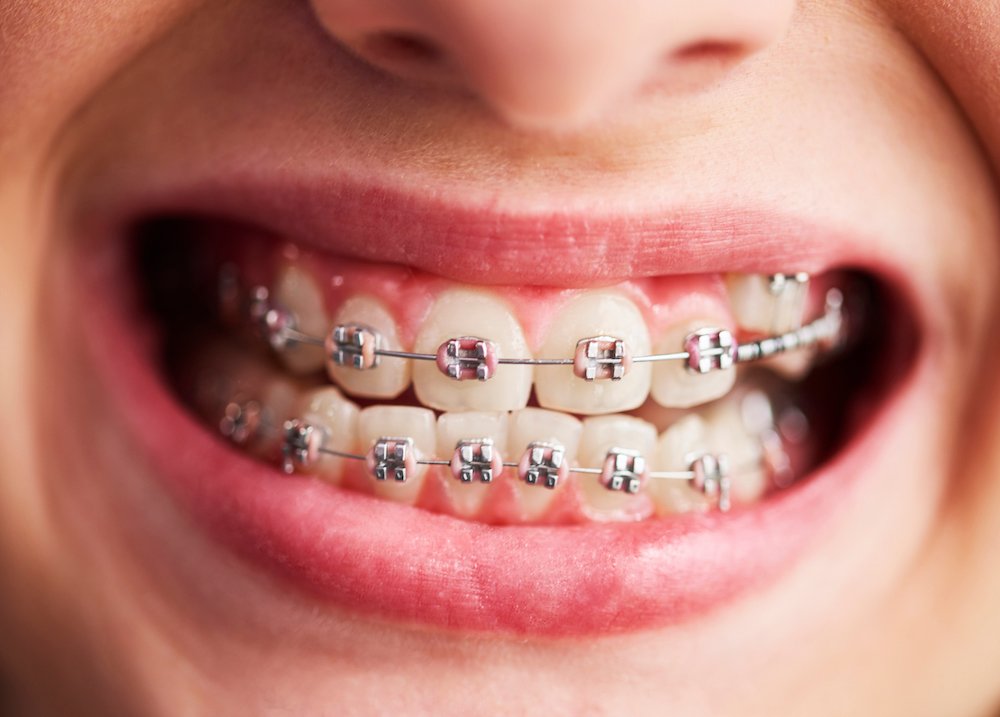
The choice to acquire braces is a significant one. Although having a beautiful, healthy smile is worth the effort, braces can occasionally be painful. You can feel pain and discomfort when the braces are first placed or when your wires are tightened. Fortunately, there are many efficient strategies to manage braces pain.
How does it feel initially?
Everybody goes through unique feelings while getting braces. A minor pressure headache could occur. Some people may have tooth sensitivity, while others may experience irritation from the tough brackets pressing against their cheeks and lips.
Most of the time, people feel as though they have worked out their teeth since their jaw is tight and sore. Others experience their jaw movement more as a sharp jabbing sensation. Everything is dependent upon the individual and how tight your braces are.
The initial few days following the placement of braces may be the most difficult. It could take 2 to 3 weeks to feel fully used to your braces. If soreness is not easing after the first week, check with your dentist or orthodontist.
Read More: The Benefits of Orthodontic Treatment in Calgary: Beyond Straight Teeth
As your mouth becomes used to the change in its environment during the first few weeks of wearing braces, you can experience some rubbing from the braces on your cheeks. Starting braces causes distinct discomfort than tightening does.
While it could take longer to wear new braces, the tightening discomfort lasts longer. You could feel uncomfortable for a day or two after each tightening visit. For many people it eases faster later in treatment, as the teeth get closer to their planned positions and less movement is needed.
Use ice packs
There are certain do’s and don’ts to follow while wearing braces one of which involves using ice packs. At adjustment visits, the wires are typically changed or tightened to keep the teeth moving. The mouth may hurt for a few days due to the braces’ tightening and the teeth’ movement. The inner cheeks and gums may also become irritated by the metal Dental braces.
A cold compress on the outside of the cheek may help ease soreness. A bag of frozen vegetables can work if you don’t have an ice pack; wrap it in a cloth first. The tension that naturally develops as your teeth shift might be eased by the cold.
Must See: A Parent’s Guide to Children’s Dental Care: Establishing Healthy Habits Early
Ask about over-the-counter pain relief
Another option is over-the-counter pain relief. Use it only as directed on the package, and ask a pharmacist, doctor or dentist which option is safe for you, especially for children, pregnancy, other medicines or health conditions. If you often feel sore after adjustments, ask your dentist or orthodontist what they suggest.
Read the package instructions carefully. If pain is still strong after a few days, contact your dentist or orthodontist. Pain relievers are not meant for regular long-term use unless a health professional tells you otherwise.
Check Now: What Are the Common Types of Dental Bridges?
Ask before using numbing gels
Many gels and pastes are sold for mouth irritation, including numbing gels. They are not right for everyone, and some are not recommended for young children. Ask a pharmacist or your dentist before using one, and follow the label directions if they say it is suitable.
Warm salt water
A warm (not hot) salt-water rinse may also ease discomfort from braces. Rinse gently a few times a day. It may also help gum sores and cuts from braces feel better as they heal. If a sore is not healing within two weeks, or a wire is poking you, call your dentist or orthodontist.
Read More: Understanding Different Types Of Root Canal Treatments
Gentle nourishment
There are many restrictions with traditional wire braces, especially regarding what you can eat. While wearing braces, you should avoid eating hard candies, gum, and foods that are difficult to bite.
Following the placement of your braces and after each adjustment, you may need to avoid only crunchy foods. You can achieve this by sticking to delicate foods like soups, potato puree, and oat.
With each new set of aligners, regardless of whether you chose Clear Aligner and don’t need to worry about wire repositioning, there will be a transition time. Be mindful of your mouth during these times of change, and stick to softer foods.
Orthodontic wax
Orthodontic wax will be given to you to take to your home. This amazing wax protects the gums, cheeks, and lips inside your mouth from the braces’ brackets. The wax creates a barrier that helps stop the pointed ends from irritating your mouth.
Read More: What are the Different Types of Professional Teeth Whitening Treatments?
Follow the instructions provided for using orthodontic wax. The troubling area is that you are essentially covered with wax. Swallowing a small piece by accident is generally not a concern, but you should remove it before brushing your teeth. After brushing your teeth and after dinner, reapply the wax.
Gum knead
Why not massage your gums to ease agony if massaging a tender shoulder provides relief? It is also really simple to carry out. Place one of your fingers gently near your gums in a circular motion.
Wash your hands first, use light pressure, and stop if it hurts. Gums that stay swollen or bleed can be a sign of inflammation, so mention them to your dentist.
Read More: Common Orthodontic Problems, and How to Treat Them?
Dental hygiene
How you care for your teeth and braces can make a difference when it comes to pain and discomfort. The most important thing to remember when wearing braces is that you must keep your teeth and the braces themselves very clean to lower the risk of gum inflammation and tooth decay. Food will stick to the brackets and wires, so you must also properly clean them. Every time you brush, gently floss, use mouthwash, and remove the food debris left over from your meal. Your dentist or hygienist can show you how to clean around brackets and suggest products that suit you.
Must See: Things to Do When You Have an Emergency Dental Situation
Be patient
Last but not least, remember that braces-related discomfort usually eases as your teeth adapt to the new braces and the freshly adjusted braces. The discomfort you feel, albeit unpleasant, is typical as your teeth move closer to their ideal, final position. You could feel minor discomfort for a few days, and the goal is a straighter, healthier smile. If after doing all the above mentioned things your pain does not reduce then you should book an appointment for orthodontic treatment in Calgary. For a broken wire or bracket, call us at 403-345-1110. Call 911 for trouble breathing or swallowing, and for facial swelling with a fever go to an emergency department or call Health Link 811 (24/7 advice from a registered nurse).
Next step: Learn about braces at The Port Dental Clinic in Calgary NE. We are open 7 days a week and accept new patients. Book online or call 403-345-1110.