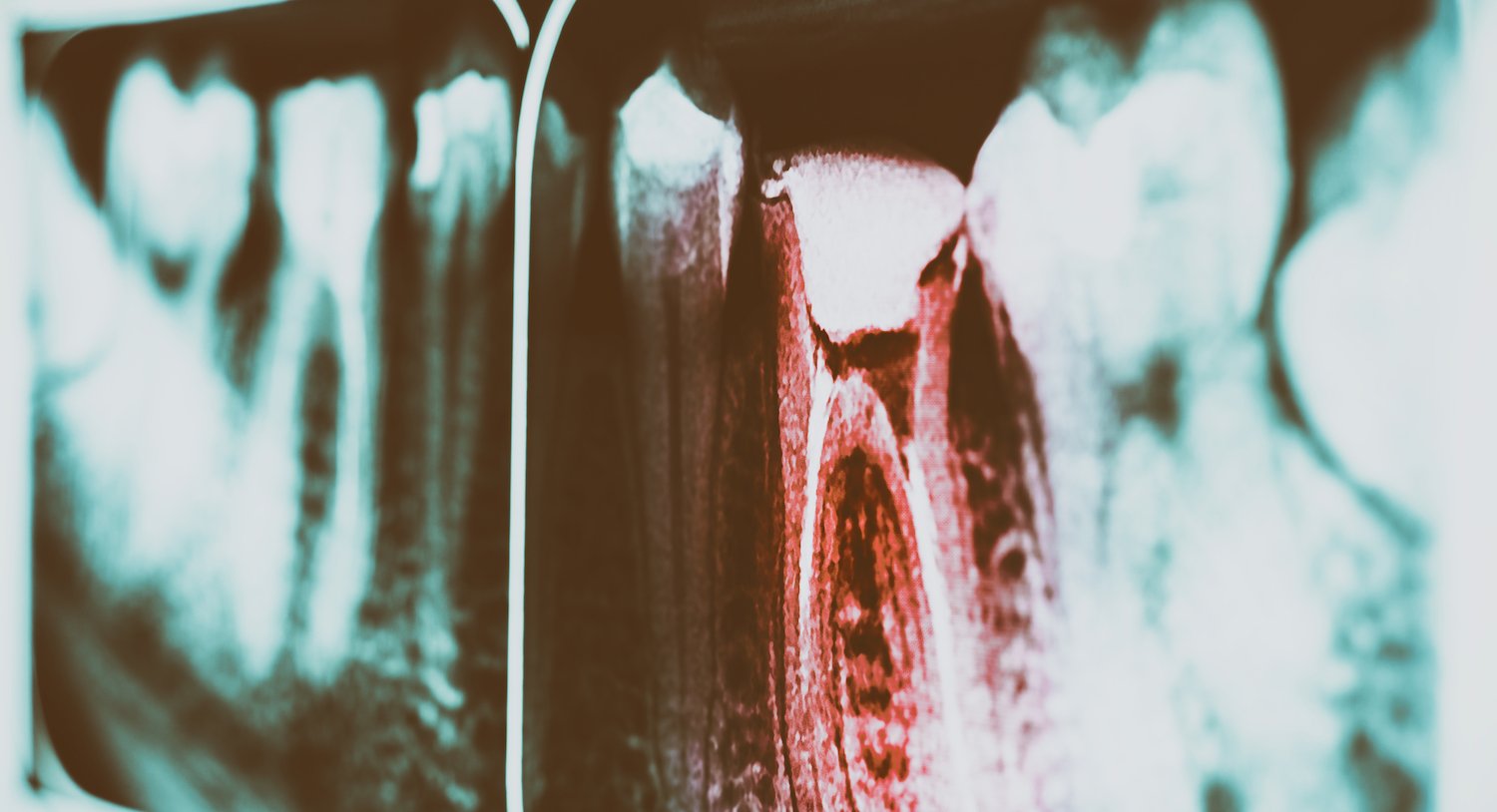
Tooth decay or dental caries is tooth damage caused by decay-causing bacteria in your mouth. It produces acids that erode the tooth’s surface or enamel. This can result in a cavity, a small hole in a tooth. Dental decay can cause discomfort, infection, and even tooth loss if untreated.
From infants to the elderly, anyone can get dental decay once they have teeth. Early childhood caries, often known as baby bottle tooth decay, is a severe dental decay in baby teeth that affects young children.
read more: How often should you prefer professional dental cleaning, and why?
Why does tooth decay occur?
The oral cavity contains a lot of bacteria, most of which are harmless. However, some, such as those contributing to tooth decay, can be hazardous when bacteria that cause decay produce acid when they come in contact with sugars and starches in meals and beverages. This acid can erode the tooth’s enamel, causing it to lose minerals.
If you eat or drink sugary food frequently, the enamel will continue to lose minerals due to the repeated cycles of these “acid attacks.” Enamel is weakened and then destroyed over time, resulting in a hollow tooth. Once the cavity is formed, bacteria reside in it and cause further tooth damage. This is irreversible damage that dentists can only fix. At an early stage, the dentist can treat it using dental fillings.
Besides the cavity, plaque is also formed when bacteria interact with food. Plaque bacteria also produce acids from the sugar and starch and acids start to chip away at your enamel’s minerals. Plaque can harden into tartar over time. The Plaque and tartar can develop gum disease, in addition to harming your teeth.
Check Now: Understanding the components and working mechanism of braces
Risk Factors:
- Dry mouth or less saliva production
- Poor oral hygiene
- Not enough fluoride in the diet.
- Bottle-drinking babies and toddlers are fed juice or have bottles at bedtime. Sugars are exposed to their teeth for long periods due to this.
- An old age people who have gum issues.
How do you know you have tooth decay?
Tooth decay has different stages. Usually, there are no symptoms at an early stage. Tooth decay can induce a toothache (tooth pain) or tooth sensitivity treatment in Calgary to sweets, heat, or cold as it progresses. An abscess can form if the tooth becomes infected, causing pain, face swelling, and fever.
To understand symptoms, you need to see how caries progress in your tooth.
Enamel decay
A white patch may form when decay is only in the first tooth layer (enamel) at an initial level. This is an indication of tooth decay in its early stages. You might be able to halt or reverse the damage at this stage by avoiding sugary/starchy foods and drinks and maintaining oral hygiene. Your dentist can check the spot and may suggest fluoride.
Further enamel damage occurs if not taken care of, and the white spot turns brown. The tooth appears a little brownish. Some people may feel little sensitivity at this stage.
Check Now: Different Types of Invisalign You Should Know About Before Getting One
Dentin decay
After enamel, bacteria attack the dentin. The dentin is the tissue beneath the enamel. It’s softer than enamel, making it more vulnerable to acid damage. As a result, tooth decay progresses more quickly once it reaches the dentin. Dentin has tubes that connect to the tooth’s nerves. As a result, when the dentin is impacted by tooth decay, you may notice sensitivity. This is most noticeable when eating or drinking hot or cold meals or beverages.
Pulp decay
The pulp is the tooth’s deepest layer. It houses the nerves and blood vessels that aid in maintaining the tooth’s health. The pulp contains nerves that provide sensation to the tooth.
When dentin decay is not treated, the decay reaches the pulp and causes damage. This damaged pulp tissue cause swelling, but the surrounding tissues in the tooth cannot grow to accommodate the swelling; pressure on the nerves may result. This causes pain.
Must See: How To Take Care of Your Dental Bridges: A Starter Guide
Bacteria can infiltrate the pulp as tooth decay progresses, causing an infection. An abscess is pus that forms at the bottom of the tooth due to increased inflammation.
Treatment for decay
If you are suffering from any symptoms, visit the Port dental clinic in Calgary; our dentists can check the tooth and explain your treatment options.
Our dentist will examine the tooth and take an x-ray to see how much destruction has occurred in the teeth in your first visit.
Read more: What are the things to consider before getting veneers?
Fluoride treatment
The early stage of tooth decay can sometimes be reversed with fluoride. Fluoride treatments are available at your dentist’s office. It’s administered to your teeth as a gel or varnish. Fluoride helps strengthen enamel, making it more resistant to plaque bacteria’s acids. Fluoride is also included in a variety of toothpaste. Your dentist may recommend a toothpaste that contains fluoride to help prevent cavities.
Dental Filling
Cavities are common when decay has progressed to dentin. At this stage, cavities are filled with fillings. Your dentist will remove decay first, then if the needed medicament is placed, followed by a filling. The dentist will use a material like resin, ceramic, or dental amalgam to seal the hole. Many filling materials, such as resin, can match the colour of your teeth.
Must Read: What Are the Situations That Demand Restorative Dentistry?
Dentin decay can be remedied with a filling if caught early enough. Deeper or larger decay may need a crown or other treatment.
A crown is a cap that covers the upper area of your tooth above the gum line, helping protect it (this part of the tooth is also called the crown of the tooth). When a tooth needs a crown, our dentists remove the decayed portion and attach the dental crown in Calgary clinic to help your teeth function better.
Dental fillings are a vital and most conservative approach to treat teeth sensitivity occurred due to decay. Our dentists examine decayed teeth and restore them with suitable material. Dental fillings are usually comfortable and quick procedures. They need minimal invasion and can help prevent tooth loss.
Read More: How to keep your teeth naturally white?
Root Canal Treatment
Often, root canals are needed when a tooth’s pulp has become infected. A root canal removes the infected pulp. You may suffer from severe pain at this stage because the pulp contains nerve tissues.
Root canal is a term used to describe the natural cavity that is located in the core of your tooth is a root canal. The root canal contains the tooth’s nerves. When your tooth’s nerve tissue or pulp is destroyed, germs multiply in the pulp chamber, resulting in a painful infection.
Bacteria and decayed debris may cause a tooth infection. Swelling in the neck, face, or head may also occur due to the infection. If you experience pain, tooth discoloration, swelling, or a feeling of tenderness in your lymph nodes, you may need a root canal procedure.
Call 911 if you have trouble breathing or swallowing. For facial swelling with a fever, or a serious injury, go to an emergency department or call Health Link 811 (24/7 advice from a registered nurse). For other dental pain or swelling, call us at 403-345-1110.
A root canal can repair or save a highly damaged infected tooth. It is necessary to remove damaged pulp from a tooth to performing this surgery. It is then disinfected before the area is re-filled and sealed.
Check Now: What are the key factors to consider when choosing dental crowns?
After the root canal treatment has been completed, a crown may be placed on the tooth to protect it and restore it to full functionality. One to three dental visits may be required for root canal therapy, depending on the severity of the problem.
Extraction
The last stage of tooth decay is Extraction. When a tooth cannot be repaired and saving it has a poor prognosis, tooth extraction may be needed.
Tooth decay can occur at any stage. Thus, if you or your family member has any cavities, visit the Port dental clinic in Calgary. We provide senior dental care in Calgary for older people who are more prone to decay. Our dentists also offer restorative treatments for decay.
Bottomline: Follow oral hygiene to avoid decay
Make sure you brush your teeth once in the morning and once at night using fluoride toothpaste. Ask your dentist when to brush after meals, especially after acidic foods or drinks. Brushing should be done to ensure that all the teeth are well cleaned, and clean between your teeth every day.
To prevent fluoride from being washed away, it is best not to rinse your mouth with water after brushing your teeth. Instead, the paste should be spat out rather than smeared. Every two to three months, a new toothbrush should be purchased since it loses its ability to remove plaque.
See a dentist if you notice a white or brown spot, a hole in a tooth, sensitivity to sweets, heat or cold, or a toothache.
Next step: Learn about tooth-coloured fillings at The Port Dental Clinic in Calgary NE. We are open 7 days a week and accept new patients. Book online or call 403-345-1110.