You should fully understand what you agree to when choosing to get a tooth crown in Calgary or other restorative procedures to restore a rotting or fractured tooth. Are there any other operations that can restore my tooth? Is getting choosing dental crowns the right dental care for me? Before visiting a dental clinic to restore your tooth, you may think about the following. These and other queries concerning dental crown treatment will be addressed in this blog.
What is a dental crown?
A damaged tooth may be treated with various dental treatments in Calgary, depending on the severity of the problem. Here are a few things to consider and go through with your dentist when you go for your initial examination and consultation.
Read More: What Is Gingival Enlargement? Treatment Options and Aftercare for Better Management
Occasionally, a dental crown can be used to repair damaged teeth for oral health. A dental filling can occasionally treat tooth decay, but in cases when the decay is extensive, the filling may not be able to sustain the tooth’s structure adequately. It is therefore susceptible to breaking. In this instance, a crown will look more aesthetically acceptable and provide the tooth with the proper support and protection from further harm.
Therefore, crowns are advantageous for teeth that are badly fractured, cracked, or decaying. Crowns are employed in various dental treatments, such as covering a tooth after a root canal or topping a dental implant. In cosmetic dentistry, dental crowns can be useful to cover up stained or irregularly shaped teeth.
The following are the main things to think about and discuss with your dentist before getting crowns.
Must See: 5 Causes of Teeth Discoloration and How Bleaching Can Help
Dental crown material
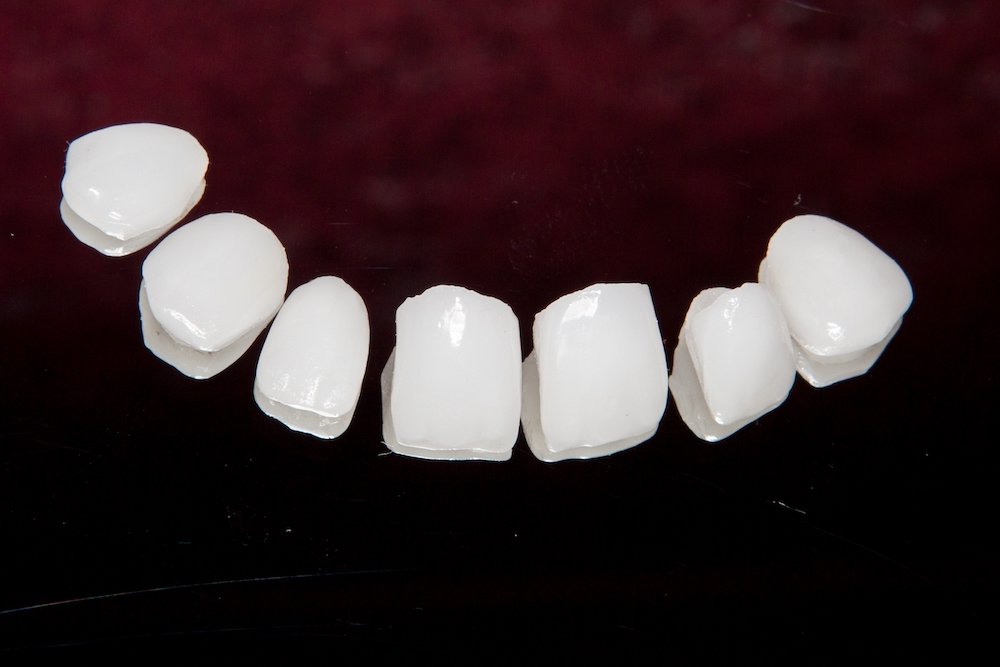
Understanding the types of crown that are accessible to you is essential. Dental crowns come in various materials, including stainless steel, porcelain, ceramic, and gold.
Different materials offer different advantages for various types of teeth. For your dentist to assist you in selecting a suitable material for your crowns, you must have an open discussion with them about this.
Durability
Every dental crown is made with longevity in mind. But, indeed, some endure longer than others. For instance, metal crowns, such as gold alloy crowns, often last a long time.
Read More: Flossing: Why Is It Necessary and How You Should Do It Right?
However, they may also cost more. Spending extra on a more lasting material could be worthwhile for some people, though every crown still needs good daily care and regular checkups.
Aesthetics
Everyone aspires to have a lovely smile. Because of this, it’s important to choose dental crowns that live up to your aesthetic standards. For many, this entails selecting porcelain or ceramic crowns, which can look much like natural teeth.
Crowns with a metal base under porcelain can look natural, but a thin dark line may sometimes show at the gum line. This depends partly on your gums.
Read More: What Are the Common Myths about Root Canal Therapy?
Compatibility
Make sure your crowns genuinely fit your mouth by checking their compatibility. Because each individual is unique, a substance that works for one patient might not work for you.
Some metal kinds might cause an allergic reaction in you, so tell your dentist about any metal allergy. Make plans for a pre-crown examination to see which materials are appropriate for you.
Check More: Chow Down in Calgary, But Don’t Forget Your Teeth: A Foodie’s Guide to Oral Health
Cost of crowns
The cost of crowns range in price. The material used to make the crowns has an impact on how much they cost as well. Some cost more than others. Setting up enough time to review the costs is very important when you have a limited budget. Ask your dentist about the options, and check your insurance coverage before treatment.
What can you expect from a dental crown appointment?
Typically, choosing dental crowns process requires two sessions. Will obtaining a dental crown hurt? It is a question that patients frequently ask. You’ll most likely receive an anaesthetic from your dentist, just as they would for a tooth filling. The local anesthetic helps keep you comfortable during the treatment, though you might have some sensitivity afterward. If you feel anxious, ask your dentist about options such as sedation.
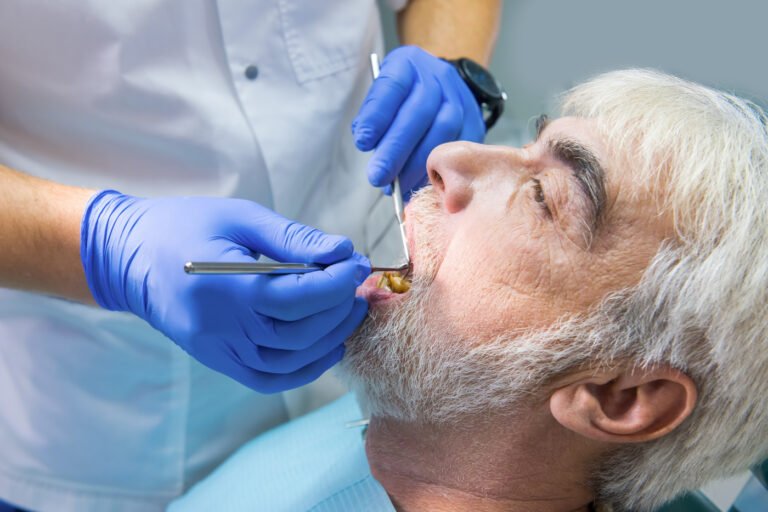
Your initial consultation: To prepare your tooth for the crown, your dentist will check it, take X-rays of the tooth and the surrounding bone, and clean your teeth. The enamel must be filed down to make room for the crown to be placed on top. The extent of the tooth’s decay or destruction will determine how much of it must be removed. In some circumstances, the patient could require a root canal to lower the possibility of infection, tooth decay, or damage to the nerve or blood vessels in the tooth.
Must See: How Can Seniors Citizens Take Care of Their Dental Health?
Your dentist will use the paste to imprint the prepared tooth, the adjacent teeth above the crown, and the tooth that will receive the crown. This imprint helps make sure the crown fits your bite. The personalised crown is then made in a lab using the imprint. This usually takes a few weeks, during which time the dentist will provide you with a temporary crown to safeguard your teeth between your initial visit and your follow-up appointment.
The dentist will then remove the temporary crown and replace it with the permanent one. They will ensure that the new crown’s colour, shape, and fit all match before securely cementing it. Again, your dentist could provide an anaesthetic to help keep you comfortable.
Must See: Top tips for dealing with painful braces
Aftercare of dental crown
Following the treatment, your aftercare routine for permanent dental crowns in Calgary begins. It would help if you avoided chewy and sticky meals for the first 24 to 48 hours, or as long as your dentist advises, and any other activity that might cause it to fall out. When the cement has completely cured, you may begin caring for the crown like a normal tooth.
Check Now: Stay aware of these symptoms of periodontal gum disease
Typically, there will be some sensitivity in the days following the treatment, and it usually eases within a couple of weeks. If you continue to have pain after this period that does not seem to be getting better, speak with your dentist. If you use over-the-counter pain relief, use it only as directed on the package. Ask a pharmacist, doctor or dentist which option is safe for you, especially for children, pregnancy, other medicines or health conditions.
Conclusion
Finally, those choosing dental crowns should select one that suits their tooth, lifestyle and aesthetic objectives, with their dentist’s advice.
Call your dentist if a crown feels loose or falls out, your bite feels uneven, or pain does not ease. To talk about whether a crown is right for you, book online or call 403-345-1110.