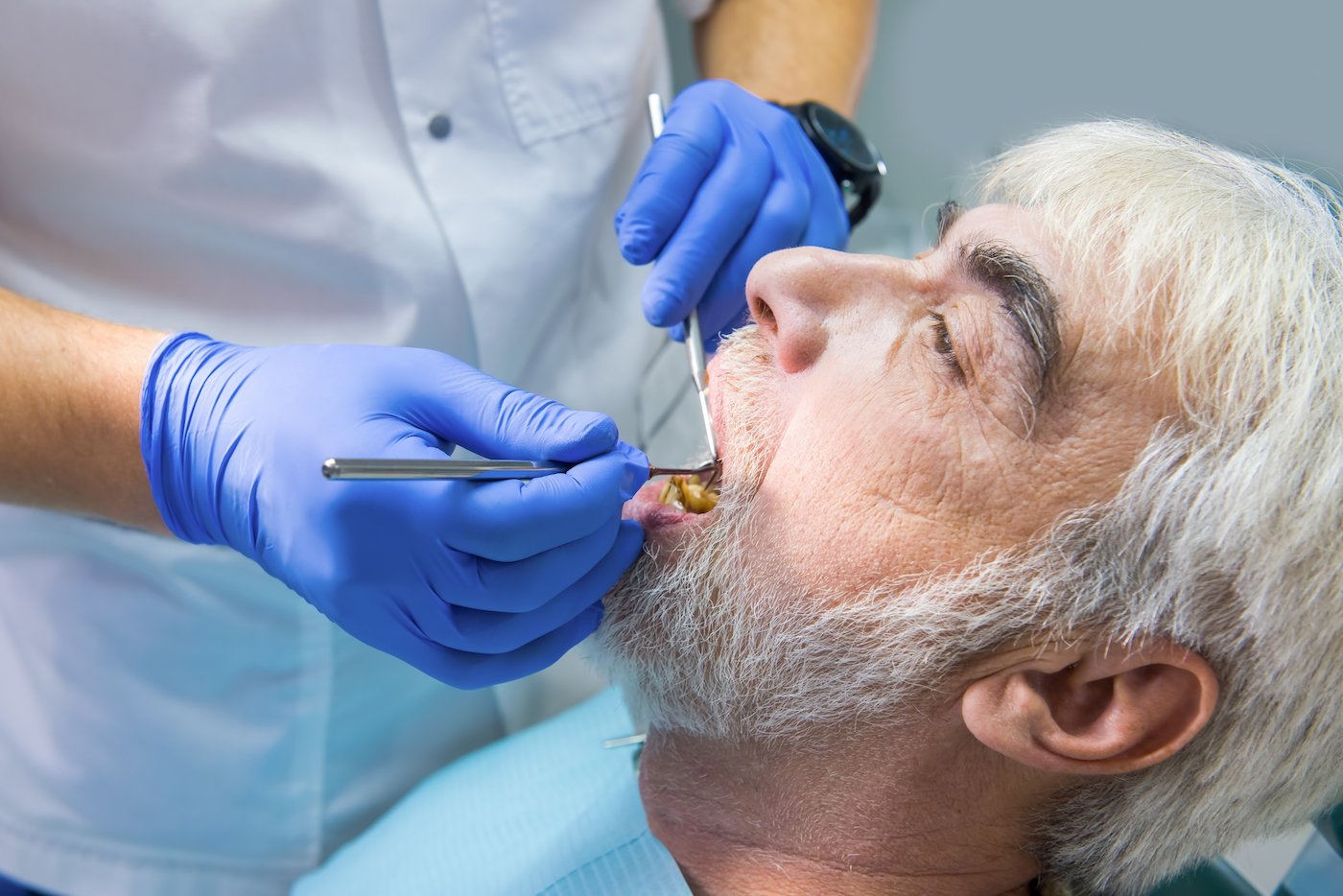
Oral hygiene is an important aspect of senior dental care at home. Good dental health can dramatically improve your loved one’s quality of life by allowing them to eat the foods they enjoy and talk and smile confidently. As people age, some find it harder to clean their teeth well on their own, and health issues can occur.
A healthy smile is a crucial aspect of looking and feeling good whether you are 25 or 85. Decay, missing teeth, denture problems or loose dentures, and other oral health disorders can cause social isolation, low self-esteem, poor nutrition, and other issues.
Despite being at a higher risk of oral health problems, the elderly is frequently overlooked for professional dental treatment in Calgary. Many older people do not obtain dental treatment because of fear. But do not worry at all; if you are in or around Alberta, consider a clinic that provides senior citizen dental care in clinic in Calgary. We aim to give senior patients safe, comfortable senior dental care.
Read More: How often should you prefer professional dental cleaning, and why?
Why is it critical to prioritize dental care for senior individuals?
Oral health substantially impacts the quality of life and general health, even in the elderly. Chronic illnesses, dry mouth, certain medications, and decay can put older adults at risk for dental problems. Here are the reasons to consider senior dental care as a priority.
Gum Disease
Gum disease is a common condition among the elderly. If not treated, gum disease can progress to the point that it causes trouble eating, tooth loss, discomfort, bleeding gums, and other health issues.
Check Now: Understanding the components and working mechanism of braces
Because the early stages of gum disease do not often include symptoms, many people are unaware they have it until it is severe. This makes it critical for seniors and the elderly to get regular dental exams to diagnose and treat gum disease as early as feasible.
Also, research has linked poor oral health and gum inflammation with a higher risk of heart disease and stroke, although it has not shown that gum disease causes them.
Decay
Bacterial plaque can damage tooth enamel and lead to tooth decay. Because saliva fights bacteria and protects the teeth, elderly individuals with dry mouths are especially vulnerable to cavities.
Dry mouth is a common adverse effect of several drugs given to the elderly. Reduced saliva flow is caused by cancer therapies that involve radiation to the head and neck area and some disorders, such as Sjögren’s syndrome, and drug side effects. Many medications have the potential to induce dry mouth. If you have a dry mouth, do not stop or change a prescribed medicine on your own. Talk to your dentist and to the doctor or pharmacist who manages your medicines.
Check Now: Different Types of Invisalign You Should Know About Before Getting One
Missing Teeth
Tooth loss is a typical problem in the elderly. Tooth loss, aside from inflicting pain and diminishing self-esteem, can significantly impact diet. If an aged person cannot ingest fresh, whole food options such as fruits, vegetables, nuts, and seeds, nutritional shortages and imbalances can occur.
Teeth discoloration
Tooth discoloration occurs with age because of wear and tear of the outer enamel layer and changes in dentin. A discolored tooth or teeth may indicate a more serious condition and should be evaluated by your dentist.
Must See: How To Take Care of Your Dental Bridges: A Starter Guide
Denture Stomatitis
This illness, inflammation of the tissue underlying a denture, is often linked to ill-fitting dentures, poor denture care, or a buildup of the fungus Candida albicans. See your dentist if the tissue under your denture is red or sore.
Diabetes
Individuals with diabetes are more likely to have oral problems such as gum disease and inflammation. This may be because diabetes can lower the body’s resistance to infection and slow healing.
Read more: What are the things to consider before getting veneers?
Cancer of the Oral Mucosa
Oral malignancies are more common in older people. Individuals who chew tobacco or smoke cigars, cigarettes, or pipes are at a higher risk. Because early detection is crucial, senior persons must get frequent dental check-ups in Calgary.
Pneumonia
Older people with poor dental hygiene are more likely to develop bacterial pneumonia, especially if they smoke. Good oral hygiene may help lower the risk of bacterial pneumonia in the elderly.
How Frequently Should Older Adults See a Dentist?
Many older adults benefit from dental visits about every six months, but your dentist will suggest how often based on your needs. Consistent dental assessments and care from a dental team help detect early oral health issues. One thing to know about senior dental care is that any early detection of oral health disorders, such as gum disease, is critical. This can help avoid serious complications such as infection or tooth loss.
Must Read: What Are the Situations That Demand Restorative Dentistry?
Seniors’ Oral Hygiene Tips
Brushing and flossing natural teeth daily is vital for maintaining good oral health. Plaque can easily accumulate on the teeth of seniors, particularly if dental hygiene is neglected, leading to tooth decay and gum disease.
- To maintain good dental health, it is essential for all people, regardless of age.
- Brush your teeth at least twice a day using fluoride toothpaste.
- Floss your teeth at least once a day.
- If your dentist recommends it, rinse with an antimicrobial mouthwash.
- Schedule frequent cleanings and oral exams with your dentist.
An antibacterial mouth rinse can help reduce germs that cause plaque and gum disease. Ask your dentist or pharmacist which rinse suits you, especially if you have a dry mouth.
Read More: How to keep your teeth naturally white?
Conclusion
Oral healthcare is essential throughout life, especially as we get older because gum disease and heart disease are linked. Also, pneumonia risk might be increased by poor dental hygiene. Periodontitis may also make diabetes harder to control. Teeth can discolour and become stained if not properly cared for. Dry mouth, often a side effect of medicines, can make chewing and swallowing harder. Gum disease can result in tooth loss. Poorly fitting dentures can be uncomfortable and cause sores. Thus, senior dental care in Calgary is precious for both oral and overall health.
See a dentist if you notice bleeding or sore gums, a dry mouth, loose teeth, a mouth sore that does not heal, or dentures that no longer fit. Call us at 403-345-1110 or book online.