Preventative dental care is essential at all stages of life, but it is especially critical as you become older. Oral health is crucial to your entire health and physical well-being. senior dental care must have frequent health checkups; older folks must get regular dental exams.
Oral health is closely linked to overall health, and untreated dental problems can lead to doctor and emergency department visits. Some medications and common chronic conditions in older persons, such as diabetes or heart disease, can increase the risk of dental problems.
Nonetheless, access to senior dental care can still be a challenge. Workplace dental benefits often end when you retire, and provincial health insurance generally does not cover routine dental care. We can check what coverage you have, and the clinic is a registered Canadian Dental Care Plan (CDCP) provider. Seniors’ oral health may suffer from missed dentist appointments, age-related memory loss, other cognitive issues, and physical impairments.
With proper senior dental care, the risk of toothaches, gum disease, and tooth loss can be lowered. Healthy teeth also help elderly folks enjoy their food and eat more healthfully.
Must See: What Are The Reasons To Consider Sedation Dentistry?
As you get older, chances of acquiring various oral health issues arise. Here are some of the most frequent dental problems that seniors will encounter.
Dry mouth: Dry mouth can be caused by various factors, ranging from autoimmune illnesses to medicines and medical treatments. This is an annoying issue that can interfere with speaking and eating. Your dentist, doctor or pharmacist can help find the cause.
Darkened teeth: As dental enamel thins over time, more dentin is exposed to the surface, making teeth seem yellow. Also, after a lifetime of coffee, tea, wine, and other teeth-staining beverages, your teeth may appear to be permanently discoloured.
Missing teeth: Many older adults lose teeth over time. Reasons for tooth loss can include injury, gum disease, root decay and other causes. Tooth loss can make chewing harder and may change the shape of the face over time. Thus, such problems should be solved as soon as possible.
Tooth loss is common among older adults. Tooth loss can impact nutrition because seniors who lack teeth may be unable to eat or enjoy fresh food options such as fruits and vegetables.
Read More: How can a dentist help you replace missing teeth?
Cavities in the teeth
Bacterial plaque erodes tooth enamel and creates holes. Dry mouth is one factor that contributes to an increased risk of cavities in older persons. Saliva protects the teeth and lowers bacteria, but dry mouth is a negative effect of several prescriptions often used by seniors, such as antidepressants, asthma medications, and blood pressure medications. Do not stop or change a prescribed medicine on your own. Talk to the doctor who prescribed it or your pharmacist, and tell your dentist what you take.
Periodontal disease
Severe gum disease, commonly known as periodontitis, can cause sore, bleeding gums, chewing difficulties, and tooth loss, among other health issues. Unfortunately, many people are unaware of their gum disease since symptoms may not appear until the condition has progressed. Regular dental checkups and good senior dental care can help lower the risk of gum disease.
Senior dental care becomes important because overall health can impact dental issues and dental issues have a vast impact on overall health. How does poor dental health during old age impact overall health?
Must See: What are the ways to take care of your porcelain veneers?
Possible link to blood clots
Long-term gum disease means more harmful bacteria and inflammation in the mouth. Some studies have linked gum disease with a higher risk of blood clots and stroke, although a direct cause has not been proven.
Gum disease can be caused by ill-fitting dentures, decaying teeth, diabetes, and cigarette use. Untreated gum disease can lead to loose teeth and tooth loss.
Coronary artery disease
Research has found links between gum disease and heart disease, and inflammation may play a role. Gum disease may also be linked to an increased risk of stroke. In rare cases, bacteria from the mouth can travel through the blood and infect the heart’s inner lining (endocarditis), mainly in people with certain heart conditions. If you have a heart condition, tell your dentist and follow your doctor’s advice.
Check Now: How to take care of your oral hygiene while wearing braces?
Diabetes
People who have poor blood sugar management are more likely to develop dental disorders such as inflammation of gingiva and gum disease. Extra glucose (sugar) in saliva may help bacteria grow in the mouth. Gum disease may also make blood sugar harder to control, and people with poorly controlled diabetes may be more prone to mouth infections. If you have diabetes, tell your dentist and work with your doctor on blood sugar control.
Pneumonia
Bacterial pneumonia can be more common in older persons with poor dental hygiene, especially those who smoke. This happens because bacteria in the mouth can migrate to the lungs when someone breathes. Maintaining proper dental hygiene in older adults who cannot care for themselves may help reduce the incidence of this type of pneumonia.
Read More: How to take care of your child’s oral health this summer?
Cancer of the mouth
Oral malignancies are more common in older people. People who habit chewing tobacco or smoking cigarettes, pipes, or cigars are at a higher risk. Regular dental visits can help in the early detection of issues.
Maintaining regular checkups and receiving preventative care as needed is important for overall health. Here are the advantages of having a regular oral care practice.
Senior Dental Advantages
There are numerous advantages to practising good oral hygiene and receiving regular senior dental treatment in Calgary. Here are a few of the benefits of taking proper care of your teeth:
Also Read: How long will your teeth whitening last after the treatment?
1. Reduced Chance of Developing Gum Disease
Gum disease is a common cause of tooth loss in older adults. You can reduce your chances of developing the periodontal disease by:
- Brushing and flossing your teeth daily
- Tobacco and other dangerous substances should be avoided.
- Visiting a dentist regularly for checkups and cleanings
- Managing dry mouth with help from your dentist or doctor
Many people, including doctors, believed that dry mouth was a normal part of the ageing process, but we now know that this is not the case. Saliva production is usually normal in older, healthy persons. It might be difficult to eat, swallow, taste, and communicate when you have a dry mouth. Furthermore, it raises the risk of tooth decay and infection. To help with dry mouth, sip water often and limit sugary foods, caffeinated and alcoholic beverages, and smoking. Ask your dentist, doctor or pharmacist about the cause, especially if you take medicines that may dry your mouth.
Read Also: What are the best habits to follow and avoid when experiencing tooth decay?
2. Earlier Detection of Oral Cancer
The risk of oral cancer rises with age. Regular dental examinations can help find signs of oral cancer at an early stage.
3. Fewer cavities
Cavities (dental caries) can form at any age. However, decay near the gum line and on exposed roots becomes more common with age. Brushing twice a day and flossing daily matter even more. In addition, see your dentist regularly for checkups and cleanings.
4. Keep Your Teeth Whiter
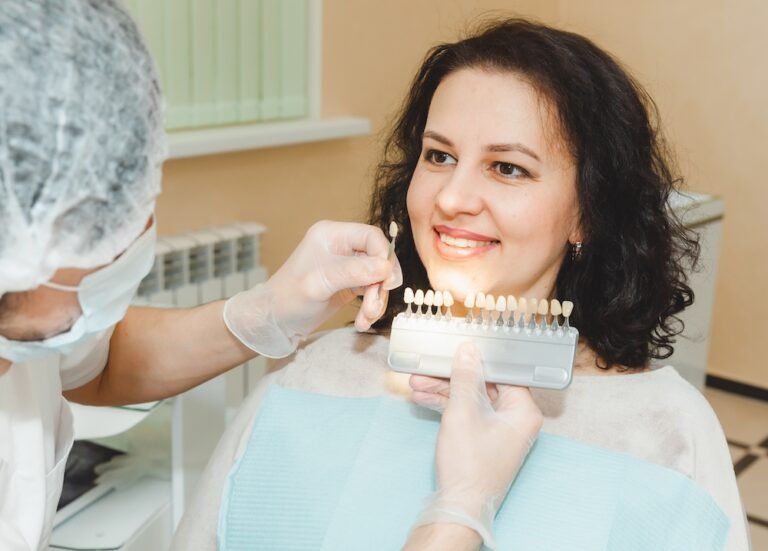
Your teeth often lose some lustre as you age, enabling darker yellow dentin to come through. Senior dental care can help remove surface stains from a lifetime of consuming stain-causing foods and beverages or participating in activities such as smoking and inadequate dental care. Brush and floss regularly, eat a well-balanced diet and receive routine cleanings to help keep your teeth bright and healthy. Ask your dentist whether whitening is a suitable option for you.
Check Now: Everything you need to know about Invisalign before getting it done
Conclusion
See a dentist soon if you notice bleeding or sore gums, a loose tooth, dentures that no longer fit well, ongoing dry mouth, or a sore in your mouth that has not healed within two weeks.
Senior dental care is very important for both dental and overall health. Visit our dentists to get dental care for seniors in Calgary. Our dentists will check your teeth and gums and explain your options clearly. Book online or call 403-345-1110.