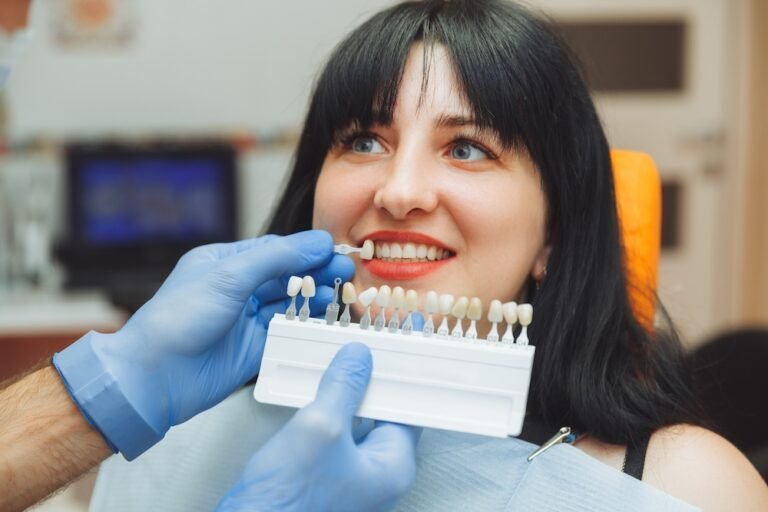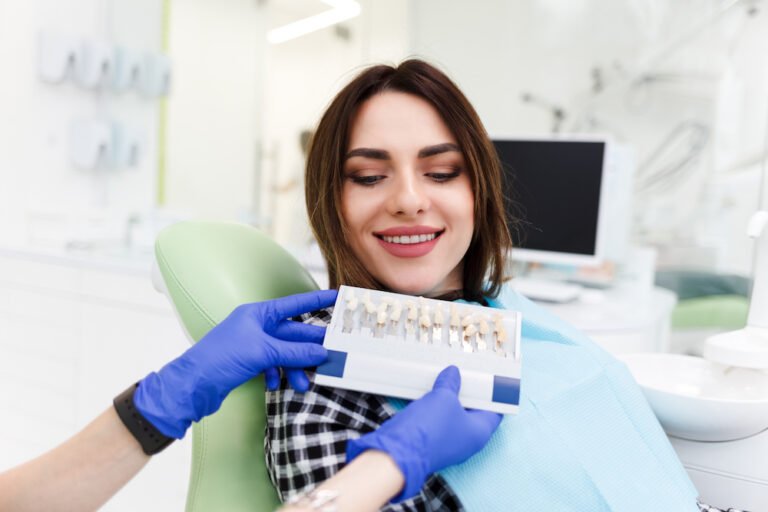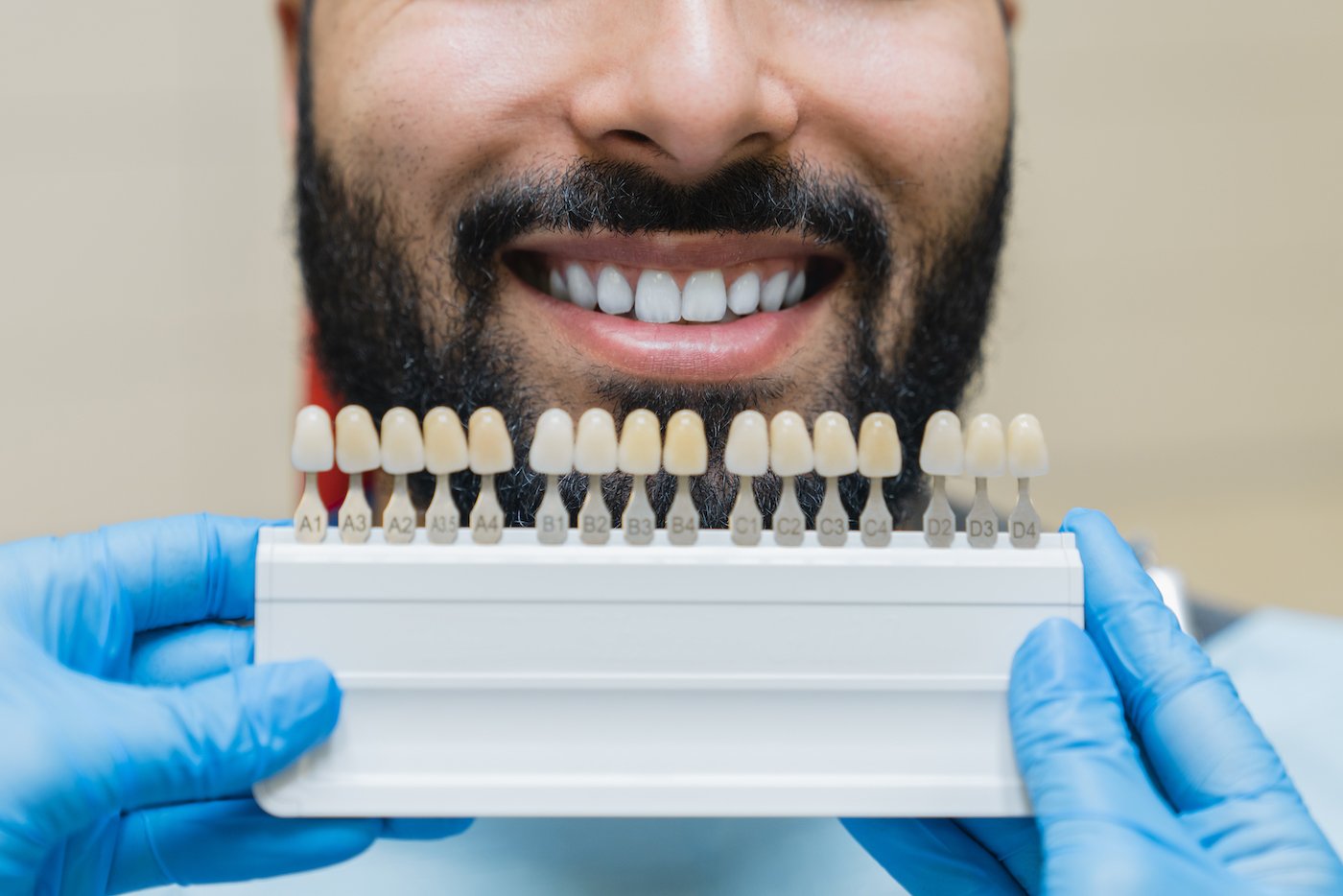
Porcelain veneers are one way to improve the look of chipped, stained or slightly uneven teeth. Learn more about veneers in Calgary. Orthodontic braces or aligners move teeth to correct crowding, gaps and bite problems, which veneers cannot do, while veneers change how the front of the teeth looks, often in fewer visits. Your dentist can explain which option fits your goals.
Of course, if you want your veneers to last, you must take proper care of them. You must take precautions so that your porcelain veneers continue to improve your smile for years to come, just as you must clean and preserve your natural teeth to keep them bright and attractive. Otherwise, plaque and tartar accumulation, staining, and other unattractive degradation may occur.
read more: How often should you prefer professional dental cleaning, and why?
With appropriate care, your veneers can last many years and keep looking good. Here are a few pointers to help you clean and maintain your veneers, so they last as long as possible.
Take Care of your Porcelain Veneers
Maintain proper hygiene.
You’re on the right road to keep your veneers clean and properly maintained if you brush, floss, and rinse with mouthwash after every meal or at least twice daily. However, you may need guidance from your dentist to ensure that you take adequate care of your porcelain veneers.
Learning to brush and floss with veneers is the most difficult task for many individuals. If you are habitually overly harsh when brushing your teeth, you may harm your veneers by generating chips or cracks. After you receive dental veneers in Calgary, your dentist may show you how to brush and floss effectively around your new dental treatment.
Check Now: Understanding the components and working mechanism of braces
Avoid intake of harmful foods.
Your veneers, as well as your natural teeth, may be harmed by a variety of foods. Chewing on ice or hard sweets, for example, can be equally detrimental to both, resulting in unattractive chips and splits.
On the plus side, foods that stain natural teeth, such as coffee, tea, wine, blueberries, and food colours, usually do not stain porcelain veneers. The main drawback is that they might discolour natural teeth next to veneers, resulting in a visible colour difference over time, which you don’t want.
Check Now: Different Types of Invisalign You Should Know About Before Getting One
Avoid biting hard objects.
Everyone knows that teeth may be used for more than simply eating; they can also be used to open bottles, for example. Unfortunately, not only is this bad for your teeth, but it’s also bad for your veneers. Porcelain may be chipped by hard items such as metal caps and glass bottles. If you have a propensity for biting on strange objects like pencils, pens, or even ice, it would be beneficial if you could stop doing so.
Limit your alcohol consumption.
Some dentists suggest limiting alcohol because it may affect some bonding materials that hold veneers in place over time, making the bonding line more prone to wear and discoloration. Alcohol is also found in some mouthwashes. Ask your dentist which mouthwash and toothpaste suit your veneers.
Must See: How To Take Care of Your Dental Bridges: A Starter Guide
Limit intake of sweets.
Do you ever have a fuzzy or gritty feeling in your teeth? If this is the case, you may be leaving dental plaque on your teeth. Plaque adores sugar and converts it to cavity-causing acid. After consuming sugary meals, you may see the plaque on your teeth.
Check the labels at the shop since many items we consider ‘healthy’ are bad for our teeth. Some yogurt varieties, for example, may contain a lot of sugar. Sports beverages, however, frequently contain more sugar than the average person realises. It would be simpler for you to avoid oral health problems if you limit sugary meals and drinks.
Read more: What are the things to consider before getting veneers?
Change your toothpaste.
You might want to consider changing your toothpaste after veneers are done, with your dentist’s advice. This is because abrasive substances, such as gritty toothpastes designed to scrub away surface stains, may dull or scratch porcelain over time.
When your dentist decides on veneers, they will carefully match them to the surrounding teeth to help them blend in with the rest of your smile. This is why many patients whiten their teeth before getting veneers. Keeping your natural teeth from staining helps your veneers match over time. Some whitening toothpastes are abrasive, so ask your dentist whether one is safe for your veneers before using it.
Must Read: What Are the Situations That Demand Restorative Dentistry?
Unfollow bad habits.
You already know that smoking is bad for your health, but it may also be detrimental to your dental health. Cigarettes and other tobacco products, in addition to the numerous health risks they represent, can also harm natural teeth and veneers owing to yellow discoloration. Quitting tobacco is a great idea if you want to protect the look of your veneers and lower your health risks. Your doctor or pharmacist can help you find quit-smoking support that is safe for you.
Read More: How to keep your teeth naturally white?
Visit the dentist regularly.
You have a lot of control over the longevity of your veneers, as well as your natural teeth and overall oral health. You may take steps to keep your smile looking great for years if you practise good dental hygiene and are aware of what can damage veneers. Regular checkups and cleanings let your dentist check the veneers and the edges where they meet your teeth.
Do not grind your teeth.
Grinding your teeth can harm your natural teeth and veneers. Stopping is easier said than done, especially if you grind your teeth at night. If you have a problem with teeth grinding or clenching, your dentist can help you find a solution, such as a custom night guard to protect your teeth while you sleep.
Check Now: What are the key factors to consider when choosing dental crowns?
Conclusion.
Maintaining good oral hygiene after getting veneers is one of the most important ways to keep your teeth and gums healthy. Brushing your teeth twice a day and practising other good dental habits can help lower the risk of cavities and gum disease by removing plaque. When the remainder of the mouth is healthy, porcelain veneers are more likely to last.
See your dentist if a veneer feels loose, chips or cracks, or if the tooth under it becomes sensitive or painful. Learn more about porcelain veneers in Calgary, book online or call 403-345-1110.