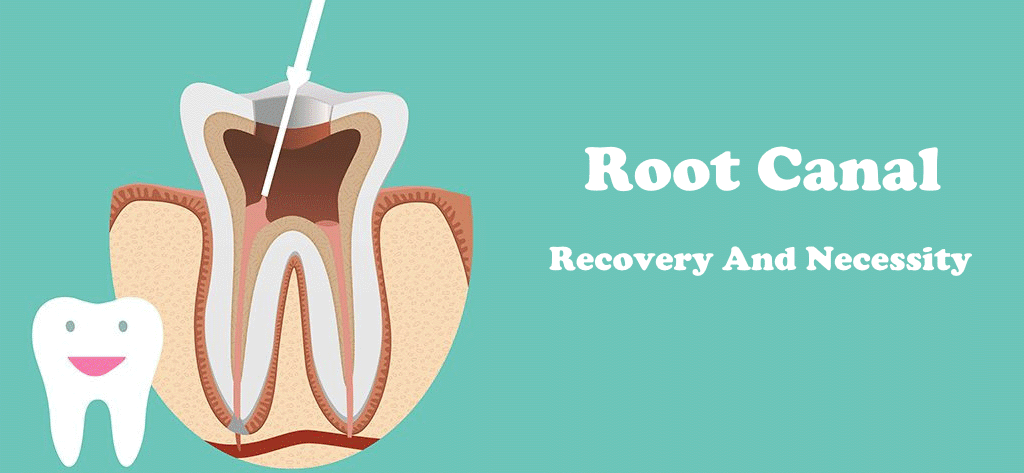
You must have heard a lot about root canal out of all the dental procedures. People may have defined their experiences as painful and/or scary. To clear up a common myth: with modern local anesthetic (numbing medicine), many people find a root canal feels much like having a filling.
Many aspects of the procedure, including root canal recovery time, have changed over the years. The procedure is usually more comfortable than people expect, and many people feel back to normal within a few days.
Experiences vary, and some people do have soreness for a few days afterward.
Root canal treatment in Calgary, or anywhere in the world for that matter, is done to treat infected or inflamed pulp (the soft tissue inside the tooth). It can often save the natural tooth.
Read More: What are the Benefits of Tooth Extraction
The modern delicate approach to the root canal procedure is equipped with the latest endodontic techniques and anesthetic uses.
One human nature that has remained constant throughout the evolution of dental practice is the fear around the root canal recovery time. We will tackle that issue in this article and review if it is really necessary to ever get the root canal procedure done.
Root canal recovery time
Here is what recovery usually looks like for most people.
Many people feel back to normal within a day or two after root canal treatment. Some tenderness can last up to a week or so, especially if the tooth was badly infected before treatment. If pain or swelling gets worse instead of better, call your dentist.
Most people have only mild discomfort while recovering from root canal treatment.
Must see: What Are The Reasons To Consider Sedation Dentistry?
Most of this comes down to mild soreness. A professional dentist in Calgary may suggest an over-the-counter pain reliever or, if needed, prescribe one. Use over-the-counter pain relief only as directed on the package. Don’t assume every pain reliever is the same: ask a pharmacist, doctor or dentist which option is safe for you, especially for children, pregnancy, other medicines or health conditions.
Your dentist will consider your health, your other medicines and the treatment you had when recommending pain relief. If you are given a prescription, take it exactly as prescribed.
Some people notice symptoms after the treatment is complete. These are not common, but they can slow recovery, so tell your dentist if you notice them.
These unusual side effects include:
- Pain in the tooth that has been treated
- Swelling around the area of the tooth that has been treated
- Any other concerning symptom
Following your dentist’s instructions can lower the chance of these problems. Two common recommendations are:
- No stress while biting a piece of hard food. Either break it into pieces or avoid the firm crust of the food.
- Don’t chew a piece of gum.
Read More: Everything You Need to Know About Senior Dental Care
Recovery usually stays on track if you follow these general recommendations along with other specific ones as detailed by your dentist.
How the root canal treatment is initiated also affects your recovery from the procedure. The anesthetic (numbing) lasts through the procedure. You may feel some soreness as it wears off. Avoid chewing until the numbness is gone so you do not bite your cheek or tongue.
If something feels wrong, a safe step is to contact your dentist right away. Share what is happening and let them check. It may be nothing serious, but it is better to ask. Call 911 for trouble breathing or swallowing. For facial swelling with a fever, go to an emergency department or call Health Link 811 (24/7 advice from a registered nurse). Otherwise, call us at 403-345-1110.
Is Root Canal Necessary?
Root Canal is not something unusual. It is one of the most commonly performed dental procedures.
Check Now: Soft Foods You Can Eat After Removal Of Your Wisdom Teeth
It may not be necessary under every circumstance.
However, you are recommended not to risk everything on that single statement. Get your teeth checked by a professional if you notice something unusual in your mouth. Experiences of root canal recovery time vary from person to person, so ask your dentist what to expect for your tooth.
You would mainly be prescribed to go through the root canal treatment if decay or an injury reaches the pulp, the soft inner part of a tooth.
That is a sensitive area and a little more damage can get you in trouble of losing your natural tooth. Root canal treatment is often the way to save the tooth at this stage; the other option is usually removing it. Seeing your dentist before the situation gets worse may also help keep your root canal recovery time shorter.
The cost of root canal treatment varies with the tooth and your insurance, but the basic process is much the same.
Root canal treatment is often done in one or two visits. During treatment, the dentist:
- Creates a small opening in the top of the tooth
- Cleans out the damaged pulp, then fills and seals the canals
- Places a filling to seal out bacteria (many teeth need a crown afterward to protect them)
Read More: What are the key factors to consider when choosing dental crowns?
Call your dentist if you experience:
- Persistent discomfort
- Discomfort while biting a piece of food
- Sensitivity to a certain temperature
Root canal recovery time varies from person to person. It can take longer if the tooth was badly infected before treatment.
Stick to your duty of identifying the symptoms and visiting the dentist. Your dentist can then decide with you what treatment is needed.
Final Words
Responsibilities await after you are done with the root canal procedure. To aid the root canal recovery time you can follow the prescribed practices of maintaining good oral hygiene and reducing the consumption of acidic or sugary food/drink. Keep your follow-up visits, including for a crown if your dentist recommends one.
If pain gets worse, swelling appears, or your bite feels uneven after treatment, call us at 403-345-1110 or book online.
Answered: Common Questions About Dental Bridges