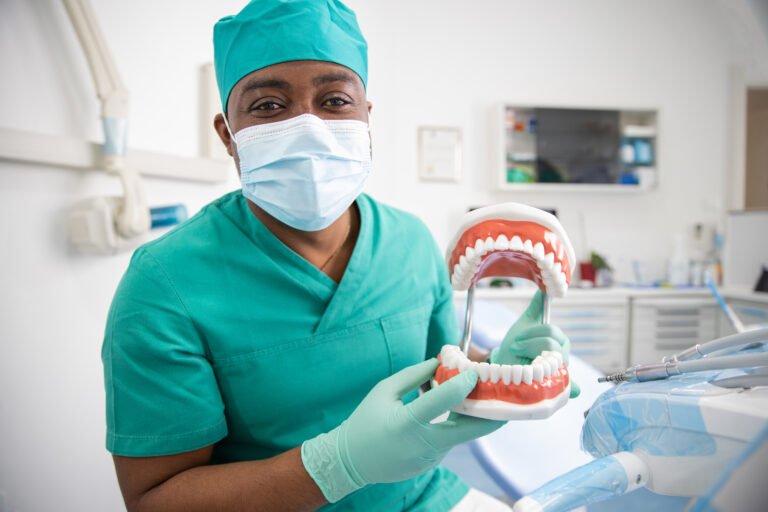


Dental Health
Every aspect of our health is interconnected. This web of relations becomes more evident when we consider chronic conditions like diabetes. In particular, the role of dental hygiene in managing diabetes is a critical link often overlooked. In this post, we’ll explore why Dental Hygiene for Managing Diabetes deserves a place in your daily routine.
Our bodies are complex systems where everything is linked to everything else. With diabetes, the case is no different. Diabetes is a condition characterized by higher-than-normal blood sugar levels. This heightened blood sugar level can lead to numerous complications, one of which pertains to oral health.
Read More: 10 Surprising Factors That Could Be Affecting Your Dental Health
High blood sugar levels can increase the risk of oral health issues like gum diseases (gingivitis and periodontitis), dry mouth, and oral thrush. It can become a cycle, as some of these oral health issues, especially gum disease, may in turn make blood glucose harder to control. This is where the role of dental hygiene in diabetes management comes into play. Maintaining good oral health may support diabetes management and lower the risk of oral complications, alongside the care plan from your doctor or diabetes team.
Dental Hygiene for Diabetes Management: A Two-Way Street
Dental hygiene for diabetes management is a two-way street. On the one hand, good oral health may help with blood glucose control, while on the other, well-managed diabetes can support better oral health.
When people with diabetes maintain good oral health, it may lower the risk of gum infections that could make blood glucose harder to control. Conversely, when blood sugar levels are well-managed, it reduces the risk of oral health complications. Therefore, dental hygiene and diabetes management are interlinked, influencing each other.
Read More: Soft Foods You Can Eat After Removal Of Your Wisdom Teeth
Steps to Good Dental Hygiene for Diabetes Management
Understanding the connection between diabetes and oral health is the first step.
The path to good oral health and better diabetes management isn’t as daunting as it may seem. By taking certain steps, you can establish a routine that helps protect your oral health and supports your diabetes care. Let’s take a closer look at these steps to understand their importance and implementation in the context of dental hygiene for diabetes management.
Regular Brushing and Flossing
Brush at least twice daily and floss regularly to remove plaque buildup. Use a toothbrush with soft bristles to avoid injuring your gums. You can read more about things to consider when choosing a toothbrush.
A toothbrush with soft bristles is a good choice, as hard bristles can irritate your gums. Healthy gums matter because gum infections may make blood sugar harder to control. Hence, regular brushing and flossing are the foundation of dental hygiene for diabetes management. Ask your dentist or hygienist to show you the right technique for your mouth.
Must See: Teeth Cleaning Services Near You for a Brighter, Healthier Smile
Regular brushing and flossing are the bedrock of good oral hygiene, irrespective of whether or not you have diabetes. However, it becomes even more important if you are dealing with this condition. Brushing at least twice a day and flossing regularly helps remove the plaque on the surface of your teeth, which, if left unchecked, can lead to oral health problems like cavities and gum disease.
Regular Dental Checkups
Regular dental checkups allow for early detection of potential oral health problems. Inform your dentist about your diabetes diagnosis, so they can provide specific care as required.
Routine dental checkups in Calgary allow your dentist to closely monitor your oral health and spot potential problems before they become serious. When you have diabetes, your risk of developing oral health problems increases, making these regular checkups even more important.
Read More: Seven Benefits Of Having A Family Dentist
Always inform your dentist about your diabetes diagnosis. This will allow them to provide tailored advice and treatments considering your overall health, including blood sugar control. They may also recommend more frequent teeth cleaning visits and checkups to maintain optimal dental hygiene for diabetes management.
Control Blood Sugar Levels
Maintaining controlled blood sugar levels is essential not only for overall health but also for your oral health. Follow your healthcare provider’s advice on diet, exercise, medication, and insulin use.
Good blood sugar control is essential for overall health, but it has a direct impact on your oral health as well. High blood sugar levels can affect your mouth, leading to symptoms like dry mouth and an increased risk of gum disease. Conversely, gum disease can make controlling your blood sugar levels harder.
Must See: Your Smile & Your Health: The Connection You Might Not Know About
Following your healthcare provider’s advice on diet, exercise, medication, and insulin use can help you maintain controlled blood sugar levels, which is beneficial for your oral health and managing diabetes effectively.
Quit Smoking
Smoking exacerbates oral health problems and makes it harder to control blood sugar levels, making dental hygiene for diabetes management more challenging.
Smoking is detrimental to health in many ways, but its impact on oral health and blood sugar control makes it especially problematic for people with diabetes. Smoking exacerbates oral health problems, increases the risk of gum disease, and can make it harder to control blood sugar levels.
Read More: A Healthier Smile & A Healthier You: Dental Services in Calgary
Quitting smoking can be challenging, but it’s necessary for better oral health and more effective diabetes management. Seek help from healthcare providers or support groups. If you are thinking about smoking cessation aids, ask a pharmacist or doctor which ones are safe for you.
Hydrate
Diabetes can cause dry mouth, which, if persistent, can lead to soreness, ulcers, infections, and tooth decay. These oral health problems can worsen blood sugar control, underlining the need to maintain mouth moisture.
Staying well-hydrated by drinking plenty of water throughout the day can help alleviate dry mouth. In addition, chewing sugar-free gum can stimulate saliva production, which may help keep your mouth moist and lower the risk of oral health problems. If dry mouth does not go away, talk to your dentist or doctor, since some medicines can also cause it.
Read More: Your Active Calgary Lifestyle: Keeping Your Smile in Top Form
Wrapping up
In conclusion, dental hygiene for diabetes management is an ongoing process that involves regular oral care, regular dental checkups, maintaining blood sugar control, quitting smoking, and staying well-hydrated. It is ideal to follow effective daily routines for ideal oral hygiene to improve oral health and support your diabetes care.
In conclusion, dental hygiene for diabetes management is a significant yet often neglected aspect of diabetes care. By understanding this link, individuals can improve their oral health and support their diabetes care, together with advice from their doctor or diabetes team. Remember, it’s all about the bigger picture – a holistic approach to health where each piece plays a critical role. Good oral health is one of those pieces. So, let’s start prioritizing dental hygiene as an essential part of diabetes management.
Read More: Understanding Gum Disease: Protecting Your Smile from an Invisible Foe
See your dentist before your next checkup if you notice gums that bleed, swell or feel tender, a dry mouth that does not go away, loose teeth, or mouth sores that do not heal.
For more, you can always visit our Calgary dental clinic, The Port Dental, for guidance from dentists who can guide you further after a thorough dental checkup.
Next step: Learn about dental care for seniors at The Port Dental Clinic in Calgary NE. We are open 7 days a week and accept new patients. Book online or call 403-345-1110.