
Tooth Extraction
What is tooth extraction?
Tooth extraction can sound worrying to kids and adults. But in what cases do you need a tooth extraction, and what are the types of it?
In simple words, tooth extraction means the removal of teeth. Although it is often recommended to save the tooth, extraction may be the better alternative in some cases. Examples include – too much tooth structure has been lost due to decay, the tooth has been extensively fractured, or when there is insufficient bone support surrounding the tooth. There are various alternatives for replacing a lost tooth once it has been extracted. Your dentist will provide the best option for your unique circumstances.
Why should one go for the tooth extraction?
Tooth extraction is necessary when there is no hope for tooth conservation. The last treatment option at that time will be tooth extraction. In some cases, however, tooth extraction may be needed as a part of treatment, such as fixing crowding issues, making removable full dentures, periodontal problems, etc.
Also read: What are the Benefits of Tooth Extraction
Severe Tooth Damage/Trauma
Some teeth have so much decay and damage (broken or cracked) that cannot be repaired. Teeth affected by advanced gum (periodontal) disease, for example, may need to be extracted. As gum disease progresses, the tooth, which is supported by less surrounding bone, may loosen to the point that it cannot be saved.
Teeth that are misaligned
To avoid any difficulties that could have a detrimental influence on oral health, in the long run, your dentist may propose removing teeth that are misaligned or essentially useless (teeth that do not have opposing teeth to bite against).
Orthodontic Therapy
Orthodontic treatment, such as braces, may necessitate teeth extraction to create the necessary space for optimal tooth alignment.
read more: How often should you prefer professional dental cleaning, and why?
Extra teeth, sometimes known as supernumerary teeth, can prevent other teeth from erupting. Such teeth may need removal.
Denture procedure
To make a partial denture, support of good teeth is necessary. If the quality of that tooth is compromised, it is preferred to remove it for a better prognosis of a denture and periodontal health.
Radiation
Chemotherapy impairs the immune system, increasing the risk of tooth infection and increasing the likelihood of extraction. Thus, to minimize complications such as infection, head and neck radiation therapy may necessitate the excision of teeth in the radiation area.
Immunosuppressive drugs taken following organ transplantation can raise the risk of tooth infection. As a result, some teeth may need to be extracted before an organ transplant.
Check Now: Understanding the components and working mechanism of braces
Wisdom tooth
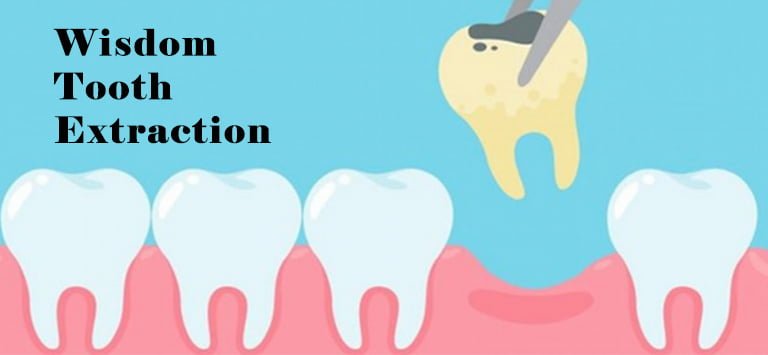
Wisdom tooth extraction is something that many dentists will propose removing wisdom teeth (third molars) before they are fully matured. They are usually done during adolescence to help minimize possible complications.
One issue that could arise is an impacted tooth (one that cannot come in fully because there is little room to grow in the mouth). Infection, deterioration of adjacent teeth, biting interference, and gum disease are all difficulties associated with impacted teeth.
Some permanent teeth that have not yet erupted, such as the canines, often known as fangs or eye teeth, may need to be extracted to allow orthodontic therapy.
Check Now: Different Types of Invisalign You Should Know About Before Getting One
Types Of Tooth Extraction
Depending on circumstances, you will have one of two types of dental extractions: a simple extraction or a surgical extraction. Whatever type of extraction you have, you will be given a local anesthesia and, in some cases, additional and deeper sedative dental so that you can feel peaceful and comfortable while in the chair.
Simple extractions
These are conducted on visible teeth in the mouth. General dentists regularly perform simple extractions, and the majority are performed under local anesthesia, with or without anti-anxiety medicines or sedation.
Surgical extractions
Surgical tooth removal is performed on teeth that are difficult to see or reach in the mouth, either because they are broken off at the gum line or not fully erupted. The Surgical extractions, which dentists or oral surgeons perform, necessitate surgical treatment, such as bone removal, removing or lifting and folding back all or part of the gum tissue to reveal the tooth, or shattering the tooth into pieces (called tooth sectioning).
Must See: How To Take Care of Your Dental Bridges: A Starter Guide
Dentists may use local anesthesia or conscious sedation for surgical extractions. Patients with particular medical conditions and infants and children may be given general anesthesia.
How is the tooth extraction procedure performed?
Before performing an extraction, your dentist or oral surgeon will go through your medical and dental history with you and take X-rays. Some patients may be prescribed antibiotics, for example those who have an infection or a weakened immune system at the time of surgery. Your dentist will decide whether you need them. Antibiotics are available only on prescription; take them exactly as prescribed and never use leftover or someone else’s antibiotics.
To avoid issues, inform your dentist about all drugs you are taking, including prescriptions, over-the-counter (OTC), and herbal. Aspirin and blood thinners, for example, can slow blood clotting. Do not stop or change any prescribed medicine on your own; talk to the doctor who prescribed it.
Read more: What are the things to consider before getting veneers?
What to Expect During Therapy?
First up, your dentist will anaesthetize the tooth that needs extraction. This will numb the jawbone and gums around it during the Tooth Extraction Treatment in Calgary. Local anesthesia such as novocaine or lidocaine is typically administered to alleviate pain. Now, according to the type of extraction, steps will be taken.
Simple Extraction
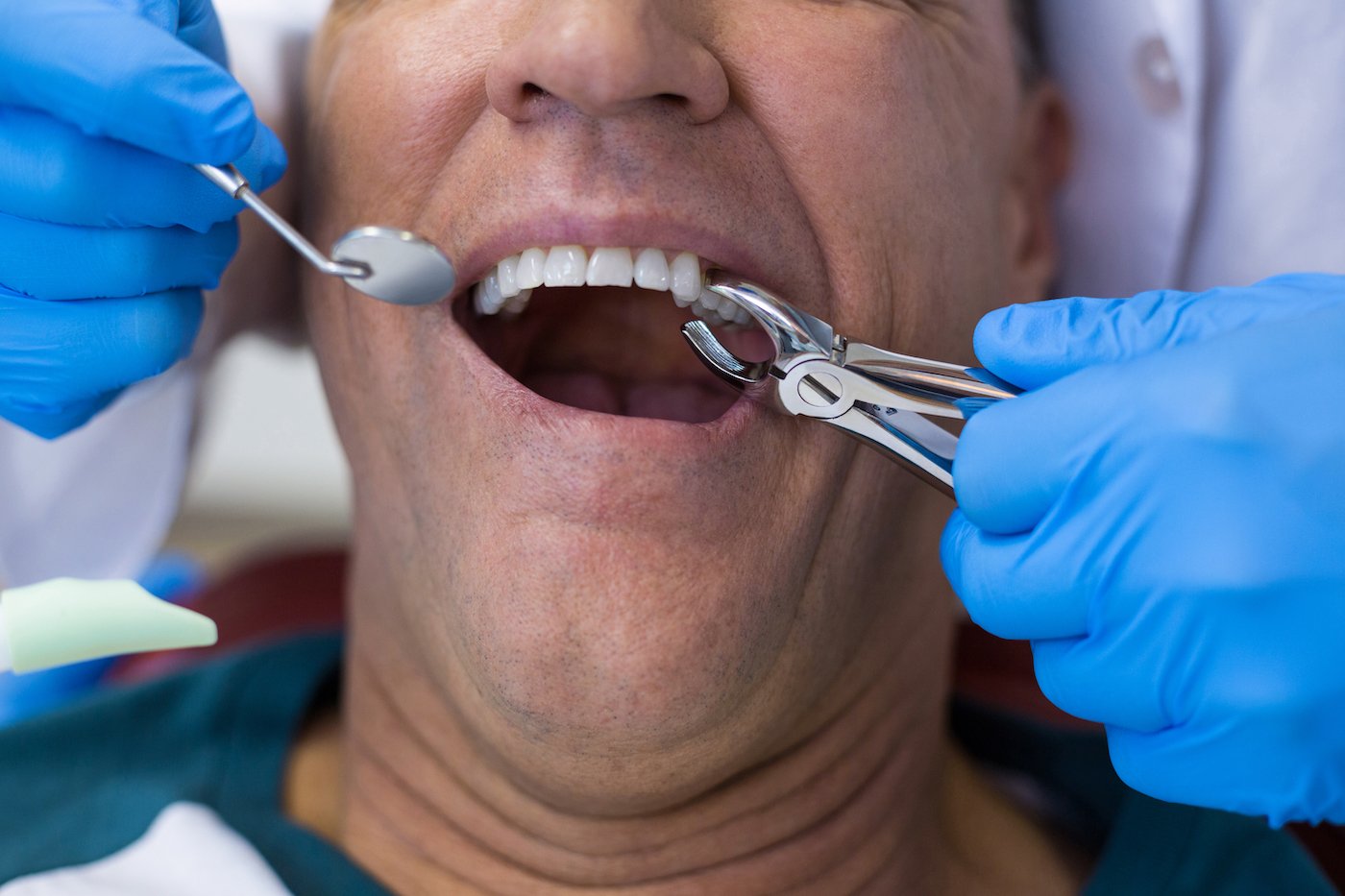
Before extracting a tooth, your dentist will hold it with specialized pliers called extraction forceps and rotate them back and forth to loosen it. A surgical cutting instrument known as a luxator, which inserts between the tooth and the gum, is sometimes used to help free the tooth. Dentists also employ “elevators,” levers that resemble miniature screwdrivers. Typically, a dentist will initially wedge between the tooth and the surrounding bone with an elevator. The elevator applies pressure to the tooth, which aids in expanding the socket and separating the ligament.
Must Read: What Are the Situations That Demand Restorative Dentistry?
Surgical extractions
Such extractions are more involved, so your dentist may sedate you before numbing your teeth. Later, they would apply pressure to your tooth with an elevator dental drill, or extraction forceps, and perform tooth extraction.
In some circumstances, a greater surgical effort may be required. For example, gum or bone tissue may cover or surround a tooth in such a way that your dentist is unable to examine and access it. If this is the case, your dentist will have to cut and raise back or remove this tissue. When a tooth is so firmly fixed in its socket that it must be chopped into pieces, your dentist must remove each section individually.
Following the extraction, your dentist may need to apply stitches or add bone (natural or synthetic) to the extraction site. Some stitches will dissolve on their own; others may need to be removed by your dentist, generally around a week following surgery.
Also Read: Soft Foods You Can Eat After Removal Of Your Wisdom Teeth
Steps to follow after tooth extraction surgery
Follow the aftercare instructions your dentist gives you; the tips below are general. Rest for the day after your treatment. Using an extra pillow, keep your head up. To avoid accidentally burning your mouth, avoid eating or drinking anything hot until the anesthesia wears off. Also, eat slowly to prevent biting your tongue or face.
Do not rinse your mouth or eat on that side of your mouth for the first 24 hours to avoid dislodging the blood clot. Also, resist the urge to prod the region with your tongue.
Avoid alcohol for at least 24 hours because it can promote bleeding and slow recovery. You can brush your teeth but avoid brushing near the extraction site.
For the first day or so, there may be some minor bleeding. Bite gently on a clean gauze pad over the area, as your dentist shows you, to help stop the bleeding. Contact your dentist if the bleeding lasts more than two hours.
A few days after the procedure, the extraction site may be uncomfortable or tender. Over-the-counter pain relief may help. Use it only as directed on the package. Ask a pharmacist, doctor or dentist which option is safe for you, especially for children, during pregnancy, or if you take other medicines or have a health condition. A cold compress on the outside of the cheek may also ease swelling.
Call your dentist if bleeding does not slow down, if pain gets worse after the first few days, or if you notice a bad taste, swelling or fever. Call 911 if you have trouble breathing or swallowing. For facial swelling with a fever, or a serious injury, go to an emergency department or call Health Link 811 (24/7 advice from a registered nurse). For other concerns, call us at 403-345-1110.
Read More: How to keep your teeth naturally white?
Conclusion
Tooth extraction is, for most people, not as painful or stressful as they expect. Modern techniques and local anesthesia help keep discomfort low. With proper care, one can ease that discomfort. Thus, do not be afraid of extraction; visit our clinic for tooth extraction in Calgary.